Middle East: FAO warning of a global food crisis
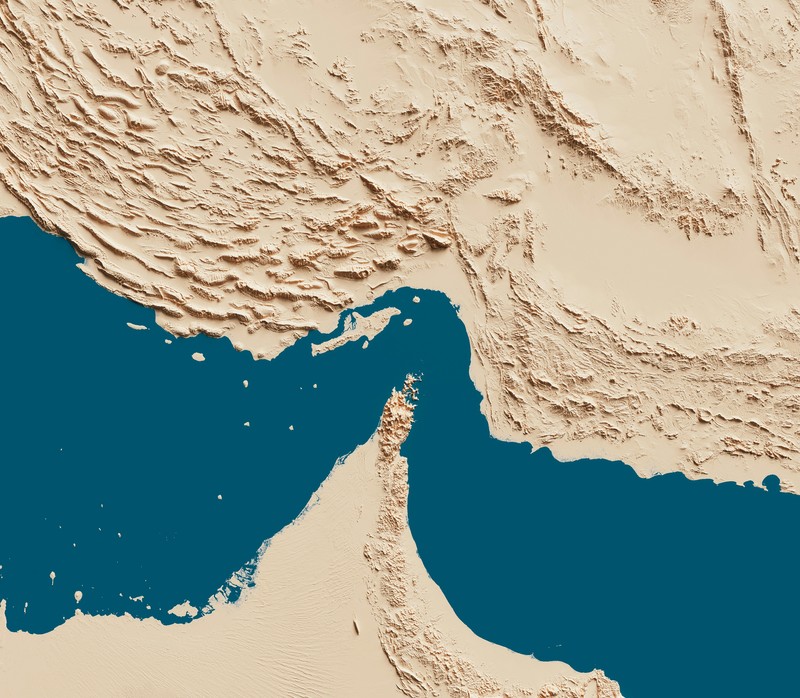
The closure of the Strait of Hormuz could mark the start of a systemic shock, potentially triggering a global food price crisis within six to twelve months. This is the warning issued by the FAO Chief Economist, Maximo Torero, who stated: “Action is needed from governments, international financial organisations, the private sector, UN agencies and other research centres to help countries cope with the current situation”. According to the UN agency, the window for preventive action is closing and the impact on the global economy is already visible. The FAO Food Price Index, which tracks monthly changes in international prices for certain food commodities, rose in April for the third consecutive month, against a backdrop of high energy costs and geopolitical tensions in the Middle East. To mitigate these impacts, the Agency further argues, it will be necessary to find new land and sea trade routes, including those through the eastern Arabian Peninsula, western Saudi Arabia and the Red Sea. But it is also necessary – the FAO emphasises – for the main food-producing countries not to impose export restrictions.
Photo by Planet Volumes su Unsplash