88
MW
n. 10_11/2013
IARDINAGGIO
G
Verde urbano,
un’opportunità
per l’
agricoltura
di Gianluca Cristoni
M
entre le campagne italiane “perdono terreno”, minaccia-
te quotidianamente da cementificazione e degrado del
suolo, in città il verde urbano conquista terreno. Nei ca-
poluoghi di provincia la superficie occupata da parchi e giardini
cresce in media di quasi l’1 per cento l’anno, avendo guadagna-
to negli ultimi dieci anni, in media, 4 metri quadrati per cittadino.
Con il risultato che oggi ogni abitante ha a disposizione media-
mente 30 metri quadrati di prati e parchi. Ma se ancora c’è tan-
to da fare in questo senso, l’agricoltura italiana sta dimostrando
di aver colto questa tendenza positiva, promuovendo una nuova
sinergia con l’architettura e lavorando a soluzioni urbanistiche in-
novative in grado di rispondere efficacemente alle rinnovate esi-
genze della vita urbana. Lo rileva la Cia-Confederazione italiana
agricoltori, anche in virtù degli ultimi dati resi noti dall’Istat sul-
la qualità ambientale nelle città italiane nel 2012.
I nuovi stili di vita e le emergenze ambientali – spiega la Cia –
by Gianluca Cristoni
W
ith Italian countryside loosing ground, daily threatened by un-
controlled overbuilding and urban blight, the green areas gain
ground. In the provinces the surface occupied by parks and
gardens is growing at the rate of 1% yearly and in the last ten years it
earned an average of 4 square meters per citizen. The result is that to-
day each citizen has approximately 30 square meters of lawns and parks.
Even though much remains to do, the Italian agriculture is demonstra-
ting to have captured this positive trend, by promoting a new sinergy with
architecture. It is also working on innovative urbanistic solutions capa-
ble of responding efficiently to the new demands of urban life. This fact
was revealed by Cia (the Confederation of Italian Farmers), also accor-
ding to the 2012 survey published by Istat on the quality of environment
in the Italian cities.
The new lifestyles and the environmental emergencies – as Cia explai-
ned – forced us to rethink urban spaces by giving green areas a new ro-
le to play, not only limited to specific areas. Today the natural element
creeps into architecture in a new way, penetrating spaces and intersti-
ces obtained from the urban weaving. Vertical gardens, plant walls, roof
gardens and buildings set among green dunes take shape. These are
new forms of greenery created by the most recent studies of the sector,
that worked for several years in cooperation with an environmentally re-
spectful architecture.
The safeguard of landscape and greenery is possible thanks to the coo-
peration between architecture and floriculture and the research in the-
se fields. The green areas increase the quality of life inside city walls,
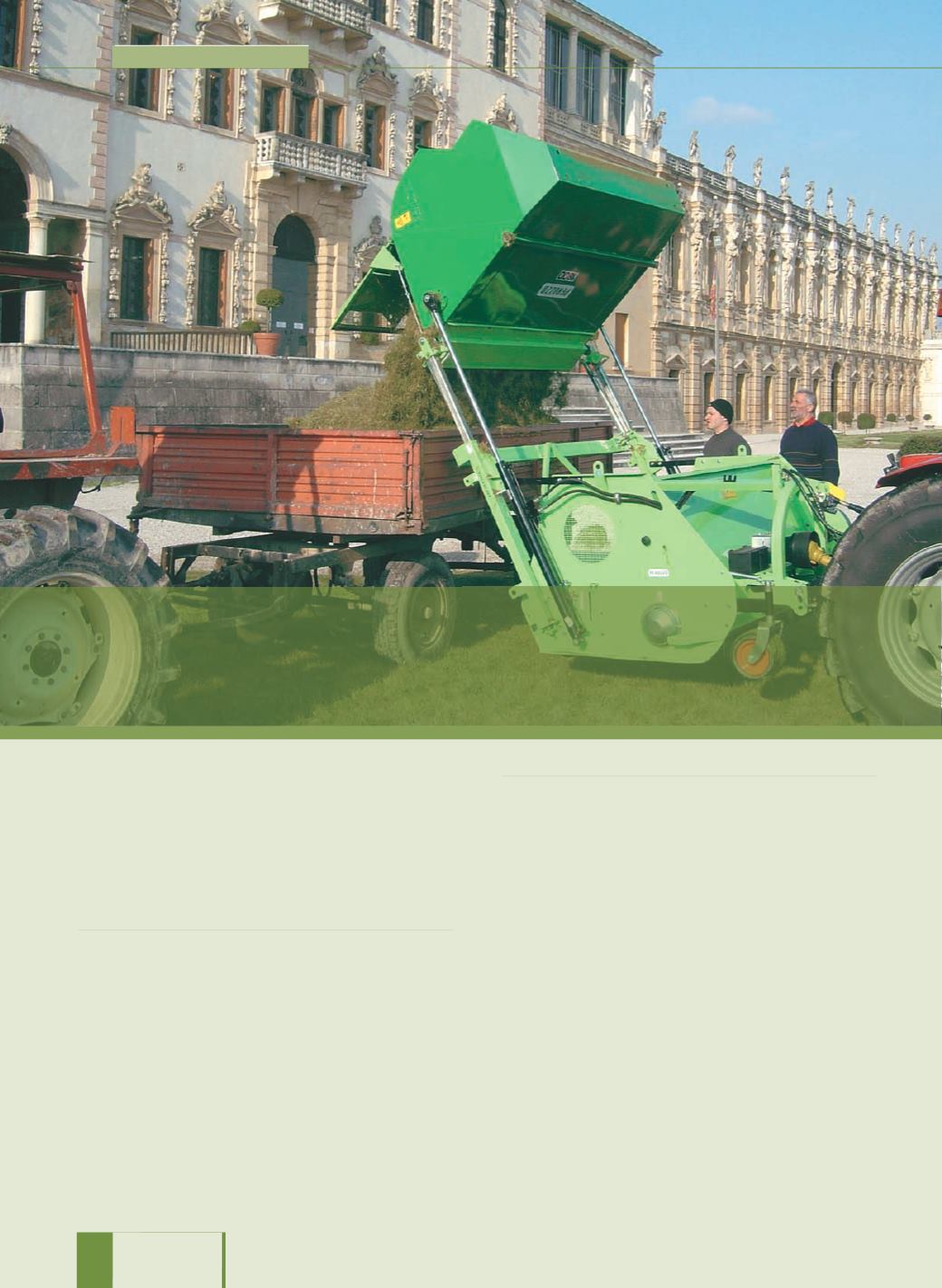
In aumento le aree verdi nei Comuni italiani: oggi la
disponibilità supera i 30 mq procapite. Si fa strada
una nuova modalità del costruire, fatta di edifici
ricoperti da orti verticali e “garden roof”. Così si
allarga il raggio d’azione degli agricoltori alla cura
del verde urbano, comprese le pareti verticali e le
aiuole spartitraffico


