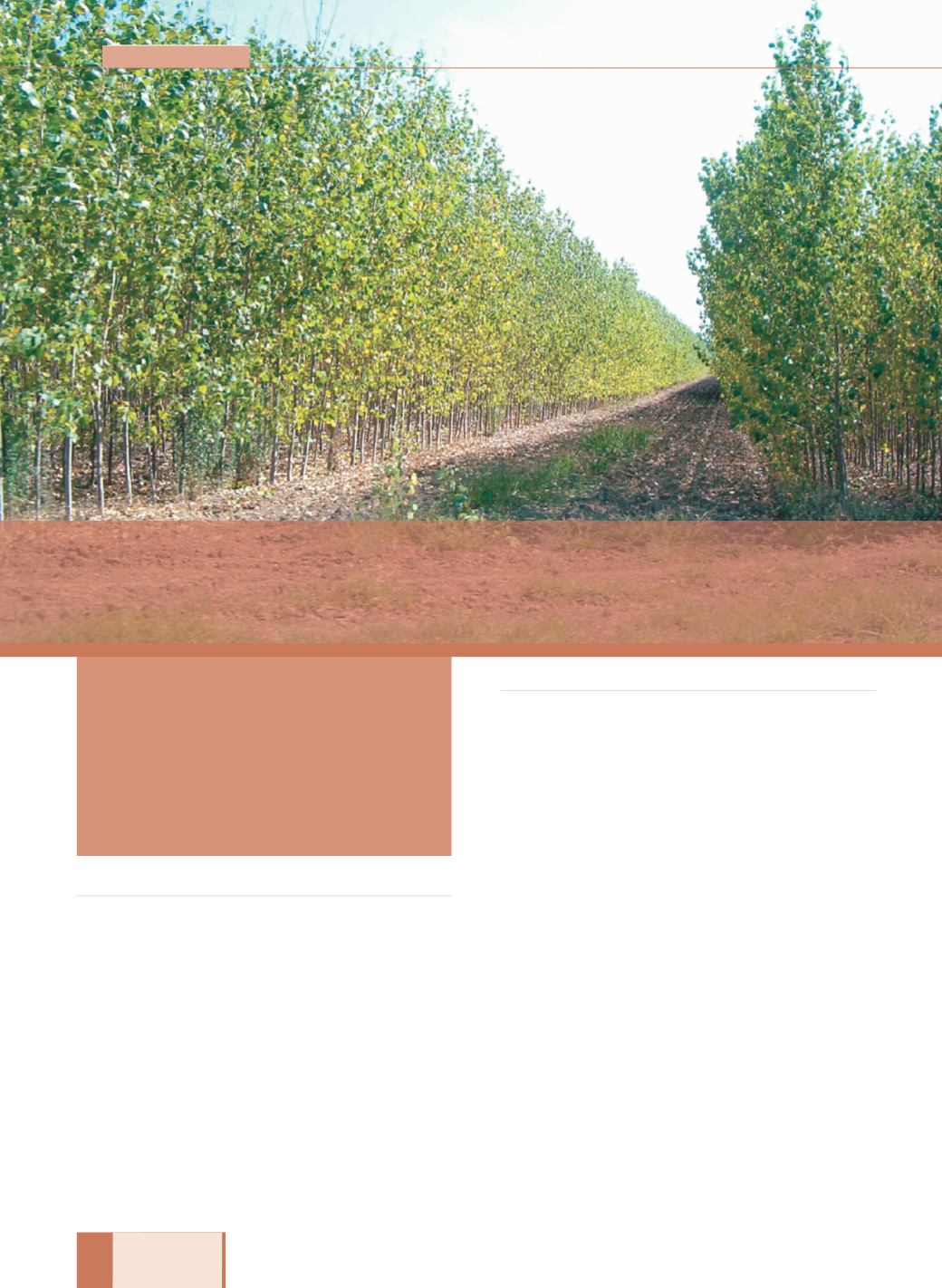
Lo sviluppo delle filiere bioenergetiche consente
di rendere produttivi molti terreni agricoli e
territori marginali, contrastando il fenomeno della
cementificazione che ha assunto proporzioni
drammatiche. Secondo una recente indagine
promossa dal Ministero delle Politiche Agricole,
dal 1971 ad oggi si sono persi in Italia 5 milioni di
ettari di terreno agricolo. Ogni giorno vengono
“impermeabilizzati” 100 ettari di superficie, per
attività edilizie su territori agricoli
IOMASSE
B
42
MW
n. 10_11/12
di Matteo Momi
L
o scorso 11 ottobre si è riunito presso il MiPAAF il primo in-
contro del “Tavolo per le filiere della bioenergia” convocato
e presieduto da Giuseppe Serino, capo Dipartimento delle
Politiche Competitive della Qualità Agroalimentare e della Pesca.
Un esordio promettente visto che Serino ha iniziato ad occuparsi
attivamente della bioenergia più di vent’anni fa, con il Programma
Nazionale Energia Rinnovabile da Biomasse (PNERB) del 1998, a
cui ha fatto seguito il Probio (Programma Nazionale Biocombusti-
bili) come primo strumento di attuazione operativa. Quest’ultimo
ha stimolato le Regioni alla realizzazione di impianti dimostrativi,
puntando su apposite campagne informative, per disseminare le
buone pratiche attivate grazie ad una dotazione annua di 5 mi-
liardi di lire. Da allora la situazione si è molto evoluta, e oggi, più
che informare, serve coordinare ed indirizzare le iniziative. A tal fi-
ne l’obiettivo che il Ministero intende raggiungere attraverso la co-
stituzione del “Tavolo” è quello di raccogliere e condividere idee
e suggerimenti per sviluppare a pieno e in modo razionale il po-
tenziale delle filiere agroenergetiche. Cosa che potrà avvenire va-
by Matteo Momi
T
he first meeting of the Bioenergy Production Chains Table
convened and chaired by Giuseppe Serino, chief of the
Department of Competitive Policy in Quality Agriculture
and Fishing, was held last October 11 in the Ministry for Agri-
cultural and Forestry Policy (MiPAAF). The meeting was off to
a promising start because Serino initiated and became ac-
tively involved in the National Biomass Renewable Energy Pro-
gram, PNERB, more than twenty years ago, in 1998. He then
followed up with PROBIO, the National Bio-Fuels Program, the
first instrument to become operative. PROBIO spurred the re-
gions to built demonstration plant through a special informa-
tion campaign for the dissemination of good practices achieved
thanks to annual financing of five billion lire (
€
2.6 million).
Since that time, conditions have evolved and today what is
needed, more than information, are coordination and guide-
lines for initiatives. To pursue this purpose, the ministry set up
the Table with the intention of gathering and sharing ideas for
the full and rational development of the potential of agri-en-
ergy production chains. This can come about by recognizing
full value for the experiences of those involved and identifying
sustainable strategies, by completing the regulatory frame-
work and a functional assignment the few financial resources
available.
The opening meeting brought together a large number of rep-
resentatives of agencies and associations in the sector, in-
cluding a number key administration figures in the ministries
and regions, and led to the formation of three work groups for
handling various specific issues.
Group 1, divided into four sections, will take up biomass, bio-
fuels and bioliquid, biogas and biomethene and green chem-
Una
“economia delle biomasse”
per
salvare
il territorio agricolo


