18
MW
n. 10_11/2013
| AGRITECHNICA 2013 |
S
PECIALE
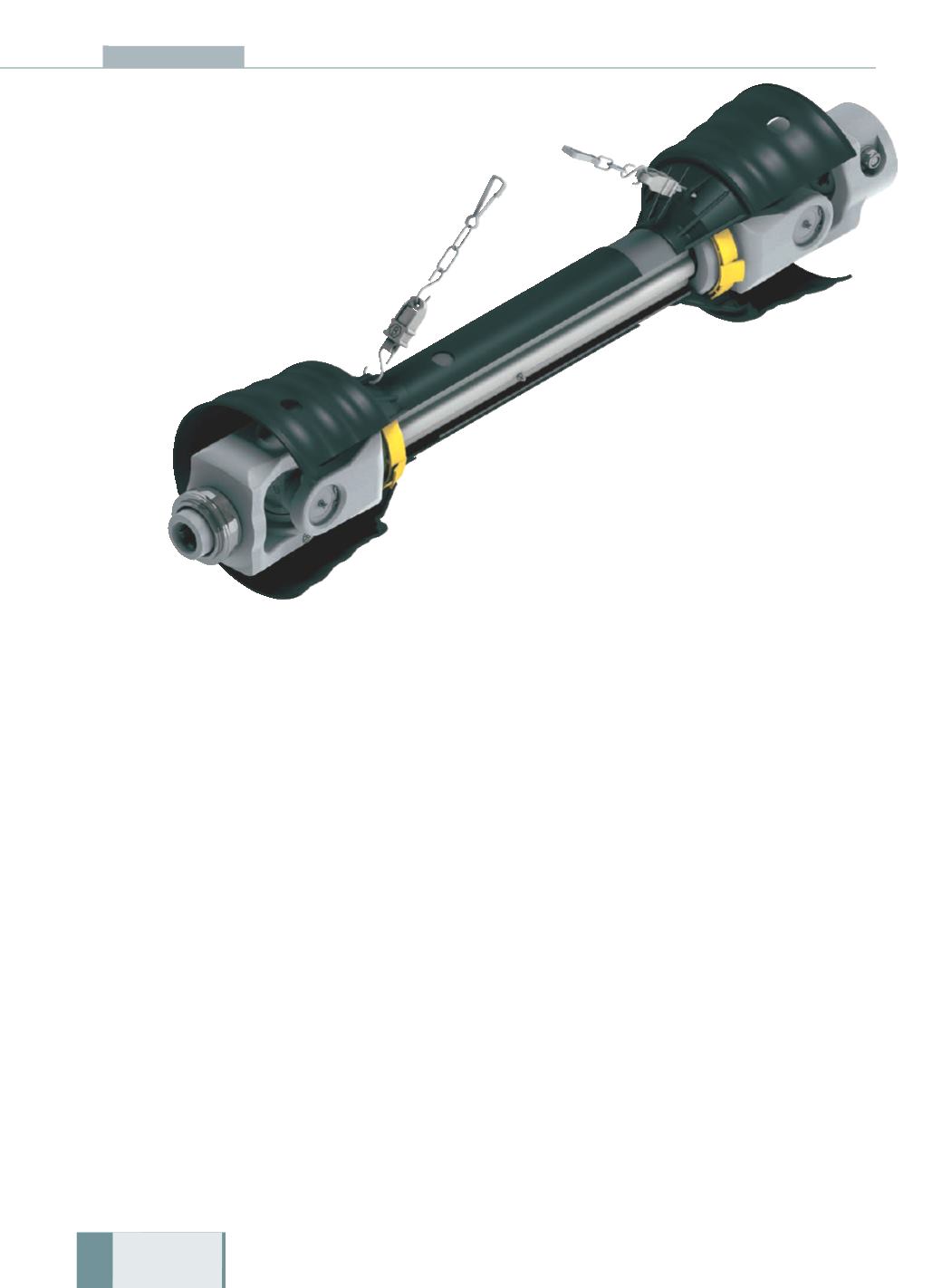
caso, è condivisa a livello europeo la necessità di modifi-
care le norma aumentandone il livello di sicurezza. Alcune
aziende stanno peraltro sviluppando in via prototipale nuo-
ve soluzioni, rispondenti ai nuovi requisiti in corso di di-
scussione. I nuovi requisiti sul collegamento dell’albero
cardanico alla presa di potenza del trattore saranno appli-
cati anche al collegamento con la macchina operatrice; at-
tualmente il collegamento lato macchina operatrice pre-
senta diverse soluzioni per quanto riguarda le protezio-
ni, in modo particolare quando sono presenti organi
meccanici come limitatori di coppia (frizioni) o ruo-
te libere. Le nuove soluzioni dovrebbero permet-
tere di realizzare protezioni più estese che rac-
chiudano completamente tutti gli organi in mo-
vimento anche in presenza di fri-
zioni o ruote libere. Infine,
sono da considerare
i cardani per la
trasmissione
del moto inter-
namente alla
macchina ope-
ratrice: questi,
non dovendo
essere rimos-
si con la stes-
sa frequenza ri-
spetto a quelli per il
collegamento tra macchi-
na e trattrice, possono avere protezioni continue fissate in
modo permanente a parti della macchina. Il quadro delle
evoluzioni per il futuro è completo: ci stiamo però riferen-
do a cardani di nuova immissione sul mercato per i quali
le regole sono pienamente rispettate.
Occorre infatti considerare che, nonostante i provvedimenti
presi dal legislatore, esiste la possibilità che sul mercato
si trovino cardani non rispondenti alle norme comunitarie
(anche attuali); a questo proposito, va chiarito che la veri-
fica della rispondenza delle protezioni degli alberi cardani-
ci alle norme di riferimento richiede di avere a disposizio-
ne attrezzature complesse e costose.
Gli stessi organismi notificati non sono tutti attrezzati per
svolgere tali prove, ma si rivolgono spesso ad Istituti
esterni. È chiaro dunque che anche le Autorità preposte
alla sorveglianza del mercato, ossia quelle che hanno la
competenza di valutare l’operato dei costruttori e degli or-
ganismi notificati, nella quasi totalità dei casi non dispon-
gono delle attrezzature necessarie a valutare la conformità
delle protezioni degli alberi cardanici.
Le uniche valutazioni possibili sono in tal caso quelle do-
cumentali o visive (mancanza della dichiarazione di confor-
mità CE, mancanza o incompletezza del manuale di istru-
zioni, mancanza di pittogrammi, eccetera). Oltre ad au-
mentare il livello di sicurezza richiesto dalla norma di rife-
rimento, è perciò necessario trovare soluzioni per garanti-
re l’efficacia dei controlli.
La sicurezza degli operatori è il primo obiettivo, ma deve
essere accompagnato dalla garanzia di concorrenza lea-
le tra i player sul mercato.
Questo aspetto è molto importante ed attuale per diver-
se categorie di macchine agricole, soprattutto per quan-
to riguarda le discrepanze applicative tra Autorità di di-
versi Stati Membri, e lo è a maggior ragione se le Auto-
rità non dispongono degli strumenti necessari.
Davide Gnesini
Timing and
Currently, revision of the norm has only just begun, and any
updating of the text must be considered provisional. Publi-
cation of the new norm may take as long as 2-3 years. In
any case, the need to incorporate more safety concerns in-
to the norm is accepted at the EU level, and some compa-
nies are already developing new products taking account
of the new requirements, which will also be applied to how
the universal joint is connected to the operating tool that
the tractor powers.
Currently, various forms of protection are fitted to this end
of the joint, especially when part of the connection is a
clutch or a free wheel device. New approaches should en-
sure more extensive protection by enclosing all moving
parts. Universal joints inside the operating device should
also receive attention as regards safety, although they are
unhitched less frequently than the link between tractor and
tool and could be fitted with permanently fixed protection.
These remarks may in some way complete the picture, but
they refer to newly produced joints for which all the rules
are fully applied. Despite the rules, there are in fact risks
of finding joints on the market that do not even live up to
existing norms. Verifying the products with respect to the
norms requires complex and expensive machinery.
The units with the job of verification sometimes don’t have
the equipment and farm it out to external bodies. In almost
all cases, the market monitoring authorities who have the
job of assessing what the manufacturers and the testing
bodies do, do not have the equipment to assess whether
the joints they have to verify are in fact legal.
All they can do is look at the documents and make a visu-
al inspection, which will get no farther than noting for ex-
ample the lack of an EC declaration of conformity, an in-
complete instruction manual, the lack of required pic-
tograms etc. Apart from improving the safety requirements
in the norms, the effectiveness of the controls must also
be ensured.
Operator safety is the prime objective, but must be ac-
companied by guaranteeing an even playing field in com-
petition among market rivals – and this issue is very im-
portant and topical for various types of agricultural ma-
chine, especially as regards discrepancies in how the au-
thorities in the various EU states apply the norms: and
even more so if an authority does not have the equipment
it needs to do its job.
Davide Gnesini


