Western Balkans, towards European integration
In a complex economic climate such as the current one, the six countries in the area have demonstrated good resilience, growing by 3% in 2025. Serbia and Albania are the driving forces of the region. The European Union as a driver for the development of Balkan economies
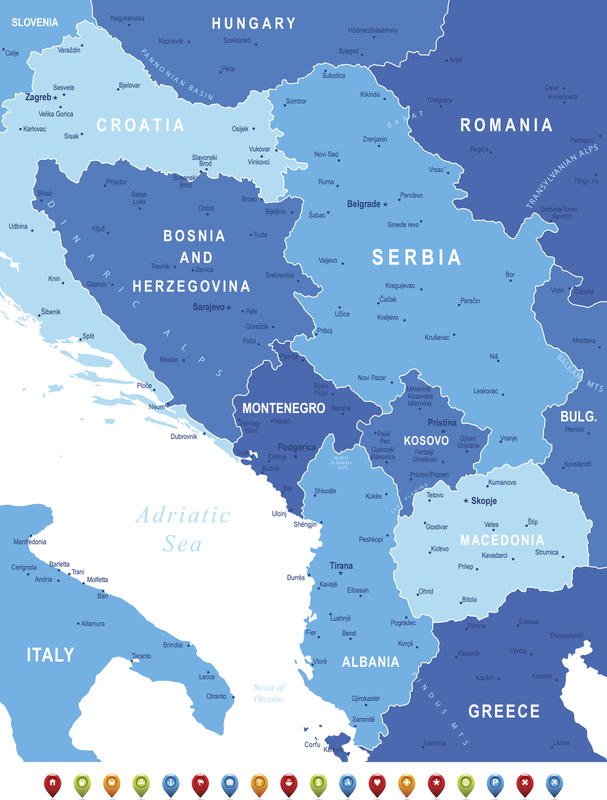
The positioning of the Western Balkans in the new global trade context directly affects in Italy, given its geographical proximity and historical ties. The area, which includes Albania, Bosnia and Herzegovina, Kosovo, Montenegro, North Macedonia, and Serbia—the so-called WB-6—is of fundamental importance to Italy, not only in economic terms but also because of the obvious interest in promoting the political and economic stability of a region so close to ours. It was in this context that the conference 'New visions for the Western Balkans 2025' was held in Rome last April, organized by the MAECI together with the Institute of International Affairs. On that occasion, the commitment of foreign policy to supporting the nations of the Western Balkans and their integration into the European Union was once again emphasized. With regard to Italy's ties with the WB-6 group, it is worth mentioning the economic and military assistance that the Italian government has provided since 1991 following the collapse of Yugoslavia; a commitment that, according to some observers, has not been matched in economic and trade relations, with the sole exception of Albania. And indeed, some of our competitors – such as Germany – have had a greater capacity for integration, both economically and politically. But even outside the EU, other global players have been dynamic. China, particularly in Serbia, has been able to make significant inroads into the infrastructure sector.
Looking at the most recent developments in international trade, as observed by the Vienna Institute for International Economic Studies, the Western Balkans have shown strong resilience to the difficulties of the current economic situation (tariff disputes, logistics resets, geopolitical tensions). The limited participation of these countries in global supply chains and in policies aimed at attracting foreign direct investment (FDI), which can now benefit from the process of integration into the EU and the phenomenon of nearshoring, has laid the groundwork for greater resilience in their economies. This resilience is also supported by labor market dynamics, which are seeing growth in demand and a consequent increase in incomes, linked to demographic decline in many parts of the Balkan region.
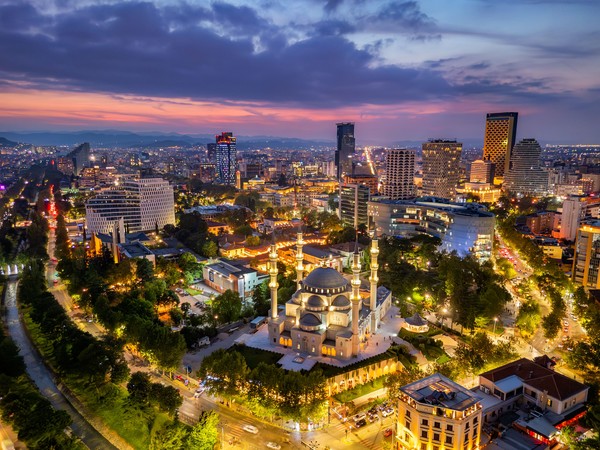
Confirmation of this positive trend also comes from the World Bank's latest Balkan Regular Economic Report, published last October. According to the World Bank report, "Towards better jobs in the Western Balkans," the six countries in the Balkan region are expected to grow by 3% in 2025, slightly down from 3.6% in the previous 12 months. For Serbia, the largest economy in the region, growth in 2025 is expected to stop at 2.8%, reaching 3% in 2026 and 4% in 2027. Albania, another important market in the Western Balkans, is expected to close 2025 with a 3.7% increase and to maintain a 3.5% pace in the following two years. Albania has the highest employment rate and stands out for its more moderate inflation (2.5%), as domestic price pressures have been offset by a stronger Lek (local currency). After the decline recorded in 2024 (-3.1%), 2025 should see a recovery in foreign trade in the Balkan region (+0.9%), driven by a gradual revival of exports and the anticipation of orders in response to the tightening of tariff barriers. In a context characterized by an increase in imports of goods and support for industrial activity, average per capita income is expected to grow over time to align with the European average. Moreover, even modest growth in the euro area could boost the Western Balkans' growth through increased investment and exports. With this in mind, the European Union's Growth Plan for the Western Balkans sets out the strategic course for removing structural barriers and, through progressive reforms, activating long-term growth in the Balkan countries.