Opportunities for the agricultural sector in the Balkan region
The preferred investment sectors for Balkan agriculture are, in particular, the mechanization and digitization of production processes, product traceability, certification of origin, and quality protocols. Serbia's leading role
The direct presence of Italian companies in the six Balkan countries has been consolidated since the late 1980s. The sectors are very diverse, although some are particularly prevalent: construction, infrastructure, engineering companies, textiles, clothing, footwear, energy, agri-food, metalworking, wood and chairs, machinery and equipment for the food industry, and banking and insurance services. It is also worth noting the competition (from exporters and local companies) not only from EU countries but also from a number of non-EU countries, such as China and Turkey, which are very active in the region. Economic ties with Russia are limited at this stage, and it remains to be seen how they will evolve in the event of a hoped-for conclusion to the conflict in Ukraine. Returning to China and Turkey, their strategic initiative must be taken into account, as evidenced by at least two facts: the presence of Chinese and, above all, Turkish banks in the area and the leading role of general contractors from these two countries in major infrastructure projects.
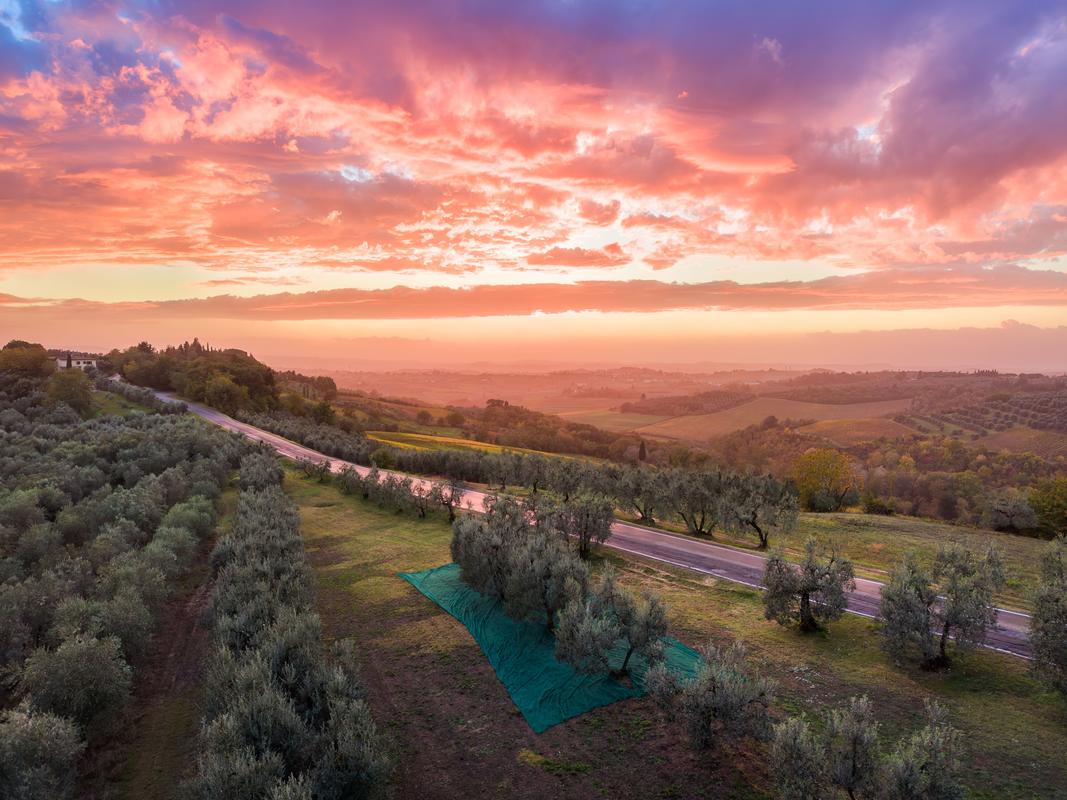
For the agricultural sector, useful indications can be found in the activities carried out by our Italian Agency for Cooperation and Development (AICS), which has also been active in the Balkans, especially in Albania. Interventions have focused on developing the supply chain - in an environment characterized by a strong presence of manufacturing SMEs - with the aim of increasing productivity, strengthening the product's typical characteristics, and promoting technology transfer through collaboration with Italian companies in the sector. In these two areas of intervention – local supply chain and agro-industrial cooperation – the Agency has developed, for example, interventions in the Albanian olive-growing sector at several levels: mechanization and digitization of production processes, product traceability, certification of origin, and quality protocols. These are programs that should be monitored by interested Italian companies, as across all six countries in the area, they are interventions linked to the process of integration with the European Union through the necessary alignment with the EU quality standards for this sector.
Considering that this process could now accelerate, partly as a result of current geopolitical and trade tensions, this may be a good time – for those who have not already done so – to develop their presence in the region's markets, as demonstrated by the activism of other EU countries. The Dutch LLVN Attaché Network informs its companies that the process of Western Balkan accession to the EU requires a decisive and rapid transformation of their agricultural sectors. Serbia and Albania, in particular, are focusing on strategic investments in the sector: smart, regenerative, and organic farming solutions; developments that highlight a growing commitment to productivity, sustainability, and technological progress in the agri-food sector across the region. Albania is particularly interesting as it has set itself the ambitious and challenging goal of completing accession negotiations by the end of 2027. Serbia has also allocated a budget to the agricultural sector to make it a strategic investment opportunity. With €1.26 billion allocated to the sector, this is the largest amount of public funds allocated, most of which is in the form of direct subsidies. Agri-tech and water management will play an important role in these initiatives in Belgrade. A sign of Serbia's commitment to technological innovation in agriculture was the presentation at Agritechnica in Hanover of the AgAR autonomous tractor, developed in collaboration with the Serbian University of Nis, which was among the finalists for the 'Robotic Tractor of the Year' award.
The guide to opportunities for Italian companies called 'Destination Serbia', published by the Italian Embassy in Belgrade, dedicates a section to this sector, which offers favorable conditions for agricultural cultivation, with the Pannonian Plain as its backbone. The data in the guide include information on the characteristics of farms - more than 500,000, 99.6% of which are family-run, with an average cultivated area of 6.4 hectares - which also raise cattle, pigs, and sheep and often specialize in honey production. The areas under orchards cover 238,000 ha, or 4.73% of Serbia's total agricultural land. Serbia has excellent potential in the fruit supply chain thanks to particularly favorable climatic and soil conditions. In order to stimulate the variety of fruit produced, with apples in a prominent position in terms of export value, the Ministry of Agriculture provides subsidies for the development of production and processing. The Serbian fruit sector offers opportunities for Italian agri-food companies, particularly for suppliers of advanced agricultural technologies, irrigation systems, storage, and crop protection.
The Italian System in Serbia (in particular through ICE) promotes the participation of Italian companies in the Novi Sad International Agricultural Fair, the main regional trade fair for the agricultural sector. In 2019 and 2023, Italy was the partner country of the Fair. For the entire Western Balkans region, it will be useful for our companies to monitor the ICE events planned for 2026 and any incoming initiatives from their entrepreneurs, not to mention the first Western Balkans Expo, which will be held in Belgrade in 2027.