Forage harvesters: lots of features for quality corn silage
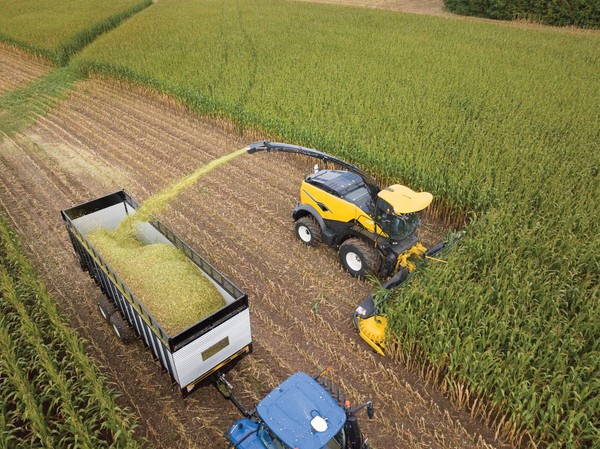
In addition to record productivity, the latest self-propelled models are designed for the most effective conditioning of the chopped material, both for livestock feed and for the production of biogas in anaerobic digesters
An important principle of modern agricultural mechanization states that machinery must adapt to the agronomic, genetic, and productive characteristics of crops, and not vice versa. It is true that to optimize the operational efficiency of agricultural machinery some adaptations have been introduced over time in crop production: for several fruit and vegetable species, especially those with a more industrial character, such as canning tomatoes, varieties that reach commercial maturity at the same time have been selected to encourage a uniform and complete, rather than staggered, harvest, and also to make subsequent processing more timely.
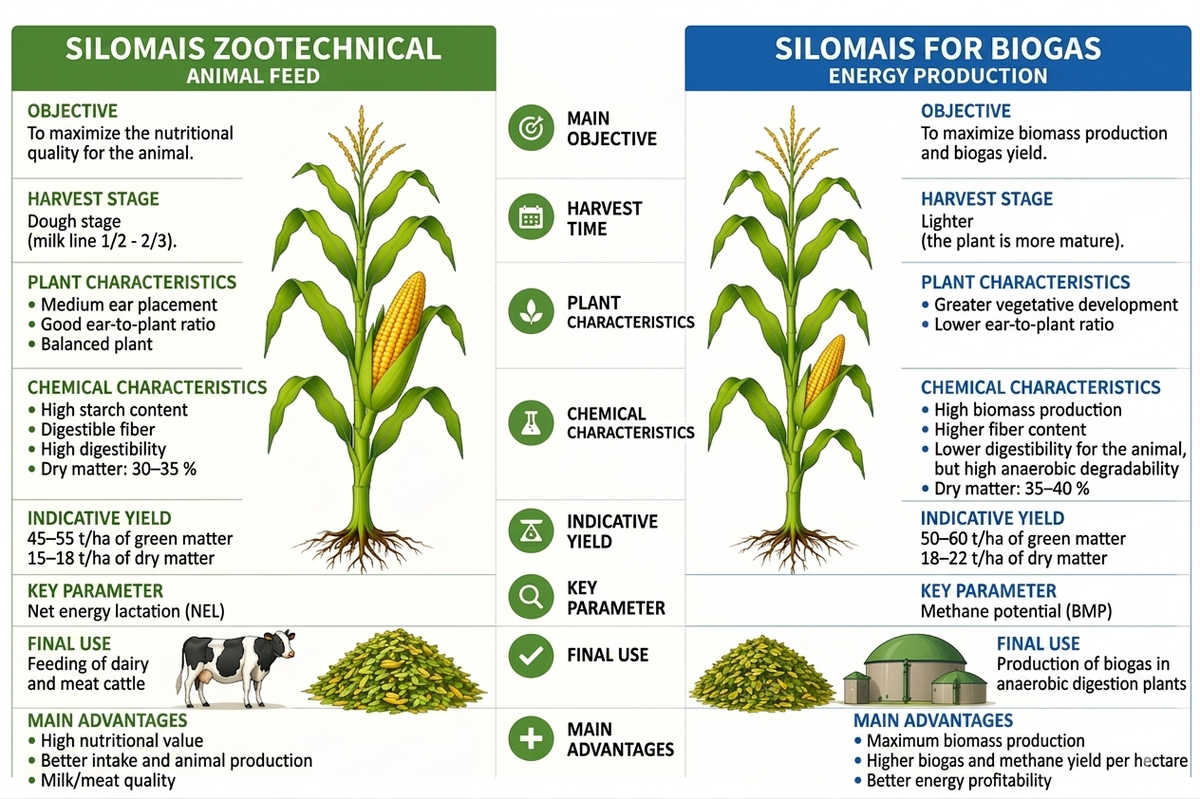
In livestock farming, together with dried fodder, chopped corn represents the other basic ingredient of every single-feed ration for ruminants. The numerous formulations that are prepared cannot ignore this component, which, however, has also seen a further important use for some time as a basic, and sometimes sole, material intended for anaerobic fermentation in digesters for the production of biogas, a fuel that is used in powerful generators which then release the generated electricity into the grid.
This has highlighted different needs of the physical and chemical characteristics of so-called "silocorn", which has led to a significant evolution of the vehicles for its harvesting and the initial conditioning in the field, namely forage harvesters.
The self-propelled versions, which practically dominate the market, are equipped with endothermic engines at the top of the power installed on the agricultural machinery; the models with the highest working capacity have now well exceeded 1,000 Hp, and offer hourly productivity suitable for harvesting large areas.
Shredding the Corn Silage. It is therefore a question of harvesting the corn for silage by regulating the forage harvester to condition both the fibrous component (stalk and leaves) and the starchy component (the grain) in a form suitable for production objectives. Thus technical evolution in recent years has concentrated on expanding the options both of the types available and of the regulation of the two devices involved in conditioning, i.e. the chopping rotor (for the fiber) and the kernel breaker (for the caryopses, also called a kernel processor or corn cracker).
If intended for animal feed, the theoretical cut length of the fiber is generally between 8 and 15 mm to maximize digestibility and palatability of the corn silage, while the kernel is crushed sufficiently enough to make the starch more nutritionally available. If, on the other hand, it is intended for biogas production, the shredding must be shorter and more uniform, generally around 5–10 mm, to facilitate anaerobic digestion, with more effective attachment from mesophilic bacteria. In this case, the action of the grain processor is aimed at improving the availability of fermentable organic matter rather than animal digestibility, while the so-called “long fiber” is not important. Indeed, while maintaining a certain dissimilarity in the chopping length is essential in livestock corn silage, for biogas production it is preferable to have a mass that is not only finely chopped but also dimensionally more uniform, which also facilitates effective compaction in the silo. These different needs translate into a necessary versatility of the working organs of the forage harvester.
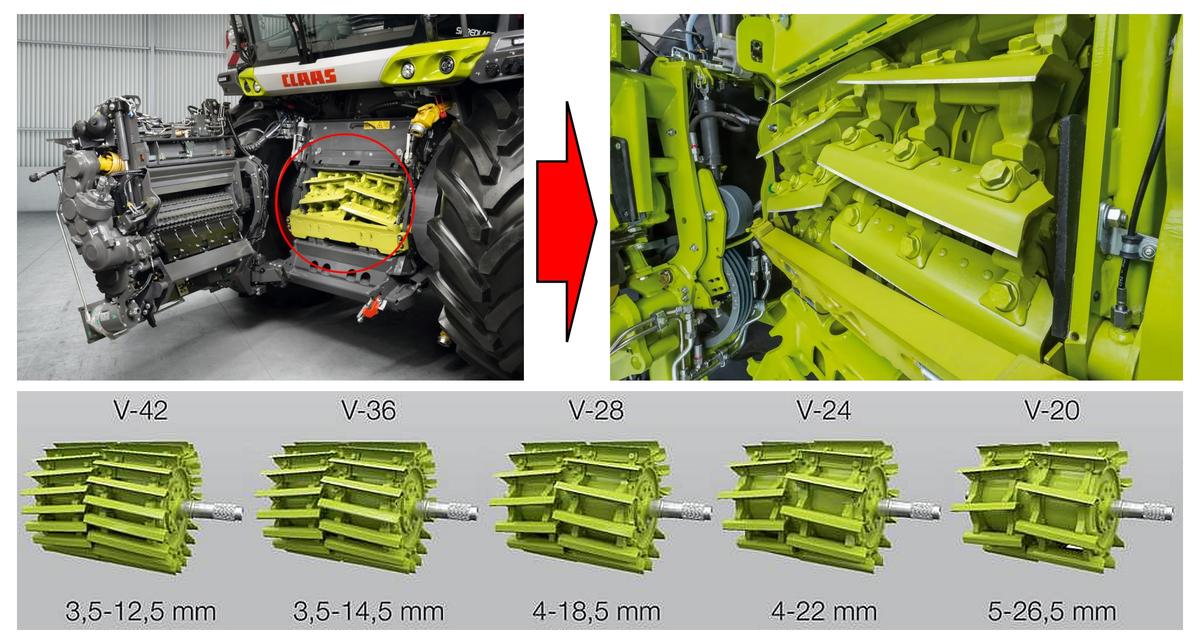
The Cutting Rotor. The blades, or working parts of the rotor, play a key role, influencing both the quality of shredding of the fibrous component and the amount of power required from the vehicle. In addition to the standard versions, Claas offers a drum with triple-screw V-FLEX blades on its Jaguar range, available in various versions with up to 42 knives, with a wide range of combinations: whole knives and half knives, also arranged alternately to further extend the cutting length range. The insertion angle, optimized by 10° compared to the counterblade, and the thick anti-wear coating, have increased the useful life of the blades and brought about a reduction in operating costs. The sharpening and counterblade distance adjustment functions are also centralized on all recent models, so that the parameters can be changed directly from the driving seat in a very short time.
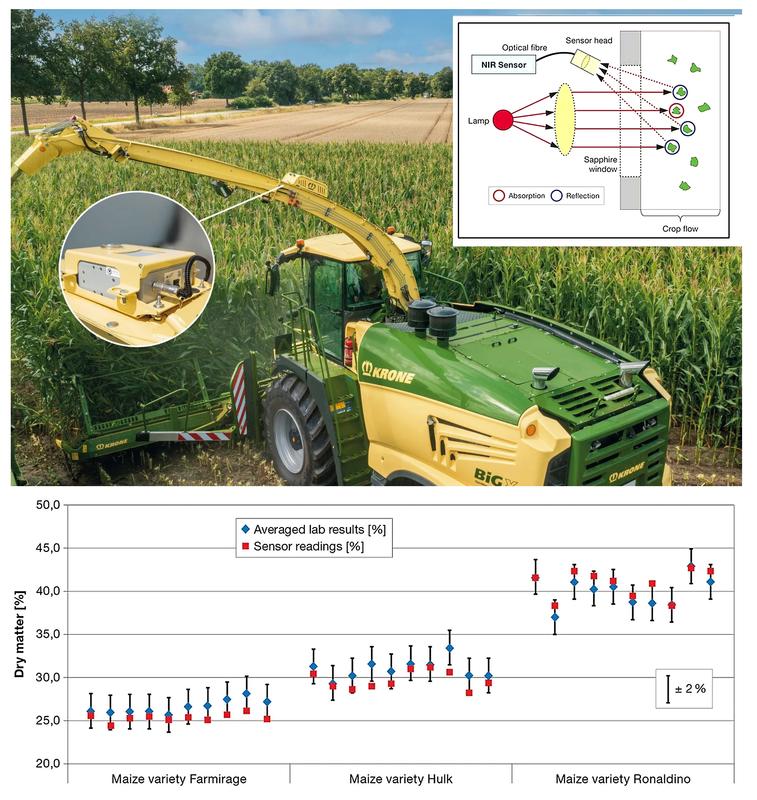
In addition to this, it is obviously the rotor's operating parameters that influence the shredding, taking into account that the intensity of the product flow can vary significantly, even suddenly. Thus to ensure a constant cutting length it is necessary to properly drive the feed rollers preceding the rotor. For example, New Holland's Forage Cruisers are equipped with the HydroLoc hydrostatic system, which automatically adjusts their rotation speed to that of the rotor and the configuration of the blades. If, on the other hand, the Forage Cruisers are equipped with yield and moisture measurement systems, they can make use of ActiveLOC, a system capable of automatically varying the pre-set cutting length based on the moisture content of the crop, to subsequently ensure correct baling of the silage. Essentially, the cutting length will decrease slightly with drier product and increase for wetter product.
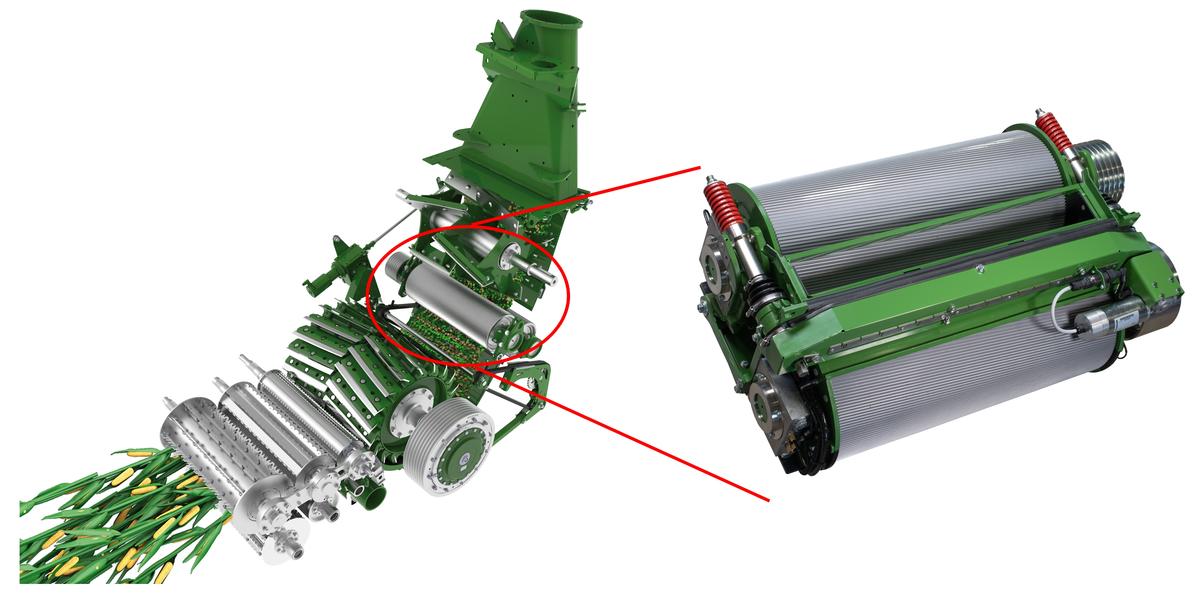
The Kernel Processor. This a fundamental component for the production of silage corn made up of two rollers with different grooves that rotate in opposite directions and at different speeds, crushing the kernels in order to make the starch more available for the digestion of ruminants, if the silage is intended for livestock purposes. Furthermore, the kernel processor helps to break down the green parts for better compaction of the product mass in the silo and more uniform fermentation.
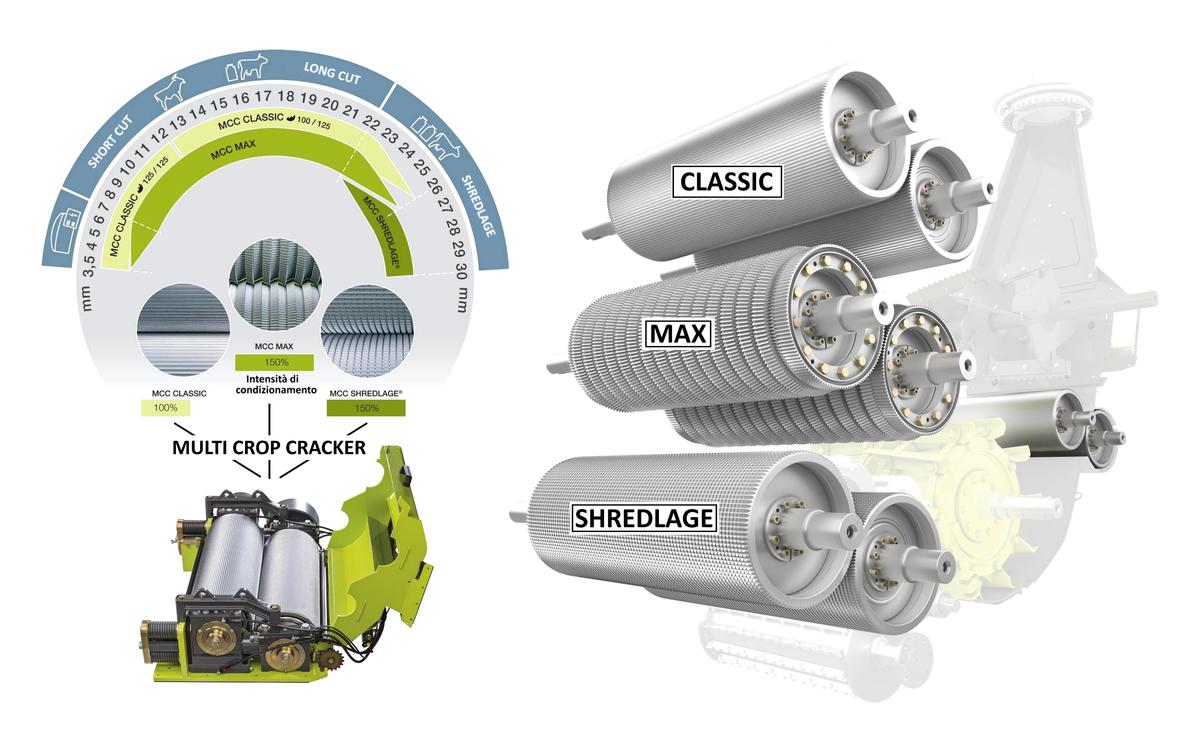
Adjusting the distance between the pair of rollers (variable from less than a millimeter up to approximately 7 mm) and the difference in their rotation speed (up to 50%) is essential to adapt the degree of crushing to the dry matter content, modulating the aggressiveness of the intervention on both the grain and the green mass. All the market-leading forage harvester manufacturers have therefore developed different kernel processor configurations, to be combined with the options offered regarding the chopping drum, in order to best condition the corn silage according to its intended use, i.e. for animal feed or for biogas production.
The grooved rollers of the kernel processor are basically characterised by teeth with a triangular profile, with a variable density, generally between 100 and 180 teeth, both linear and sometimes helical. In this regard, a recent development is represented by the “Shredlage” technology, developed to simultaneously improve the quality of the fiber and the availability of starch in the chopped material intended for livestock purposes. The theoretical cutting length is greater than the conventional one (around 26-30 mm), but thanks to the intense action of the kernel processor it is still possible to completely crush the kernels and "fray" the stem fibers longitudinally. This process increases the attachment surface of rumen microorganisms, improving the digestibility of both fiber (which becomes physically active, stimulating rumination and saliva production) and starch, with a decrease in its loss in the feces. Furthermore, despite the longer cut length, Shredlage allows for good compaction during ensiling, which promotes stable fermentation, limiting the development of mold to the benefit of increased intake, and therefore with better production performance of dairy cows.
Adding the Additive. These are various formulations of lactic acid bacteria, enzymes, or acids that are added to the corn silage to promote rapid and controlled fermentation, thus improving its preservation by reducing the pH, limiting the growth of mold and harmful microorganisms, reducing dry matter losses, and preserving nutrients.
Furthermore, addition of the additive improves aerobic stability and digestibility, ensuring safer and higher-quality food for animals.
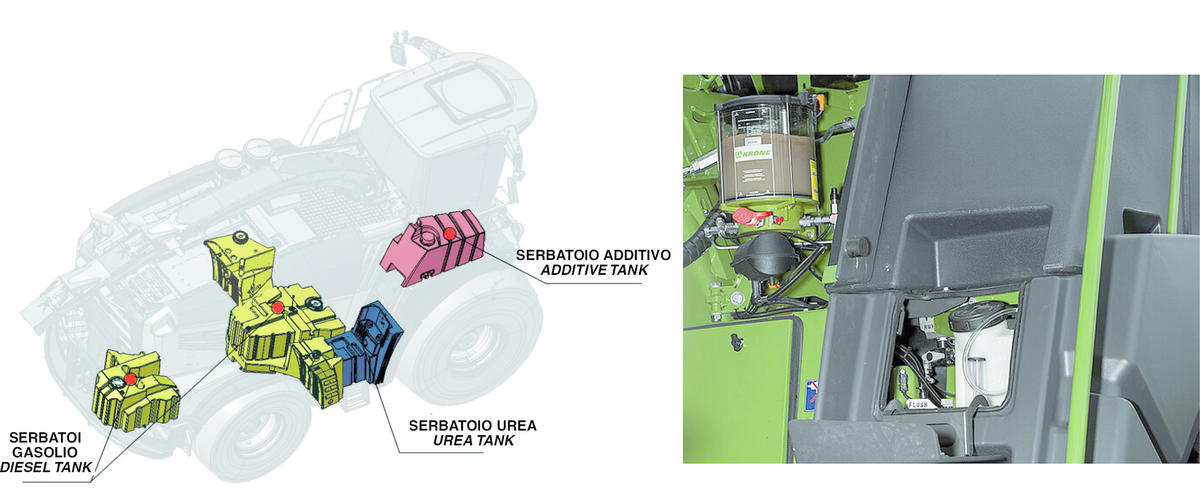
It is possible to distribute the additive during the harvesting phase directly on board the forage harvester, spraying it on the outgoing product flow (even in variable doses depending on the yield), either already mixed with water (for variable flows between 0.5 and 6-7 l/min), or with real-time dosing in concentrated mode (0.03-0.25 l/min).
An interesting implementation of this function is offered by Claas, which has developed a specific app to facilitate the exact quantification of the additive with reference to the dosage recommended by the manufacturer, indicated as a function of the field yield and the vehicle's forward speed.