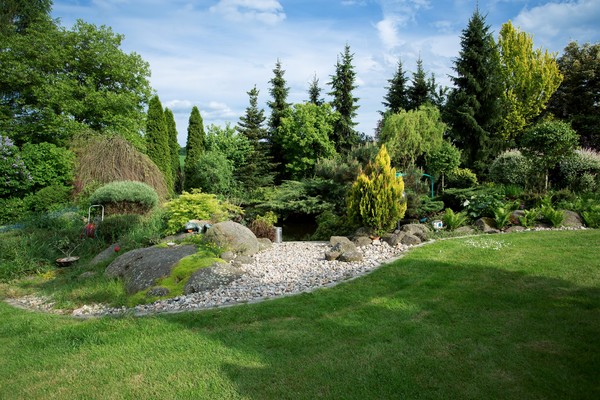
Maintenance and routine care of the garden
Green space maintenance aims to ensure vegetation's well-being and improve its appearance. Maintenance operations, must be tailored to different types of gardens
The maintenance and routine care of the garden aim to ensure the well-being of the vegetation present, thereby improving not only its aesthetic and landscape appearance but also its functionality in terms of user enjoyment and the ecosystem benefits that derive from that enjoyment.
Proper maintenance requires, first and foremost, expertise in planning and organizing the various tasks to be carried out throughout the year, the use of suitable machinery and equipment for each type of task, and the ability to use the equipment safely for both personal and environmental safety. Technical and agronomic training is also essential for the proper management of green spaces. Operators must be well prepared, especially for certain types of operations, such as pruning and fertilization. In essence, it should be noted that private individuals do not always have the necessary knowledge to perform all the different tasks correctly, so it is advisable to seek the help of qualified professionals. Without going into the specifics of the maintenance of different types of gardens, from formal gardens, characterized by symmetry and well-defined geometry in terms of vegetation and architecture, such as Italian or English gardens, to informal gardens, which include country and natural gardens, we will focus on the topic of routine maintenance in its general aspects.
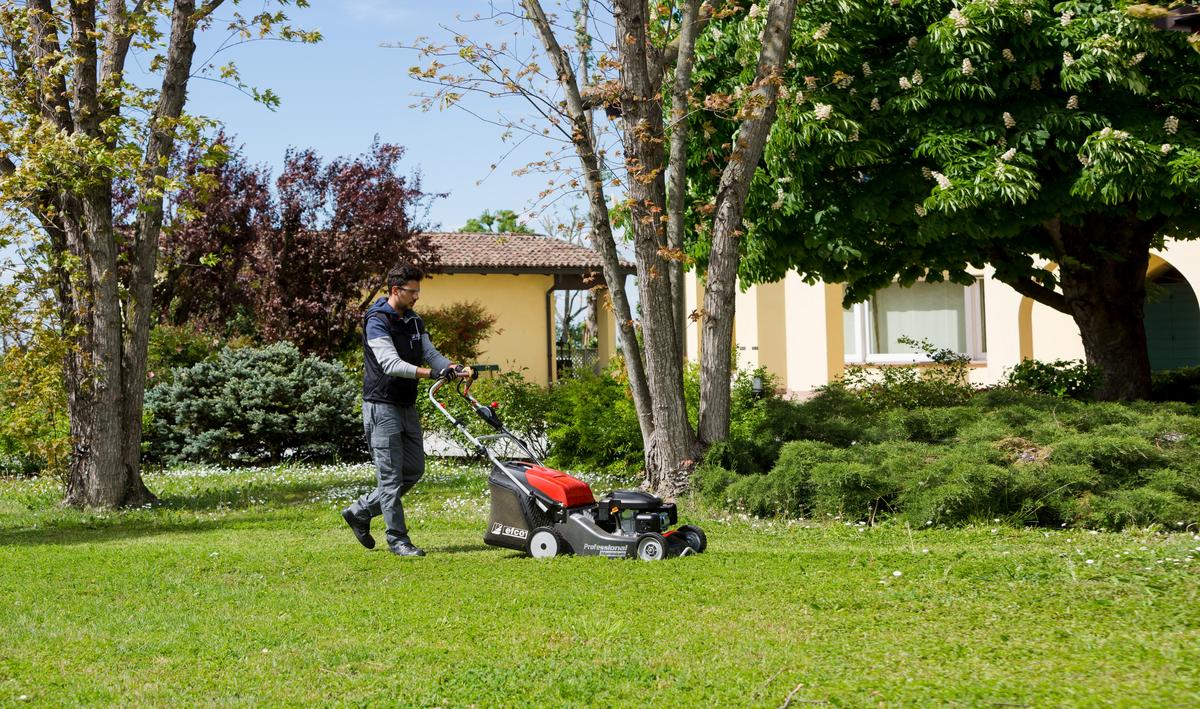
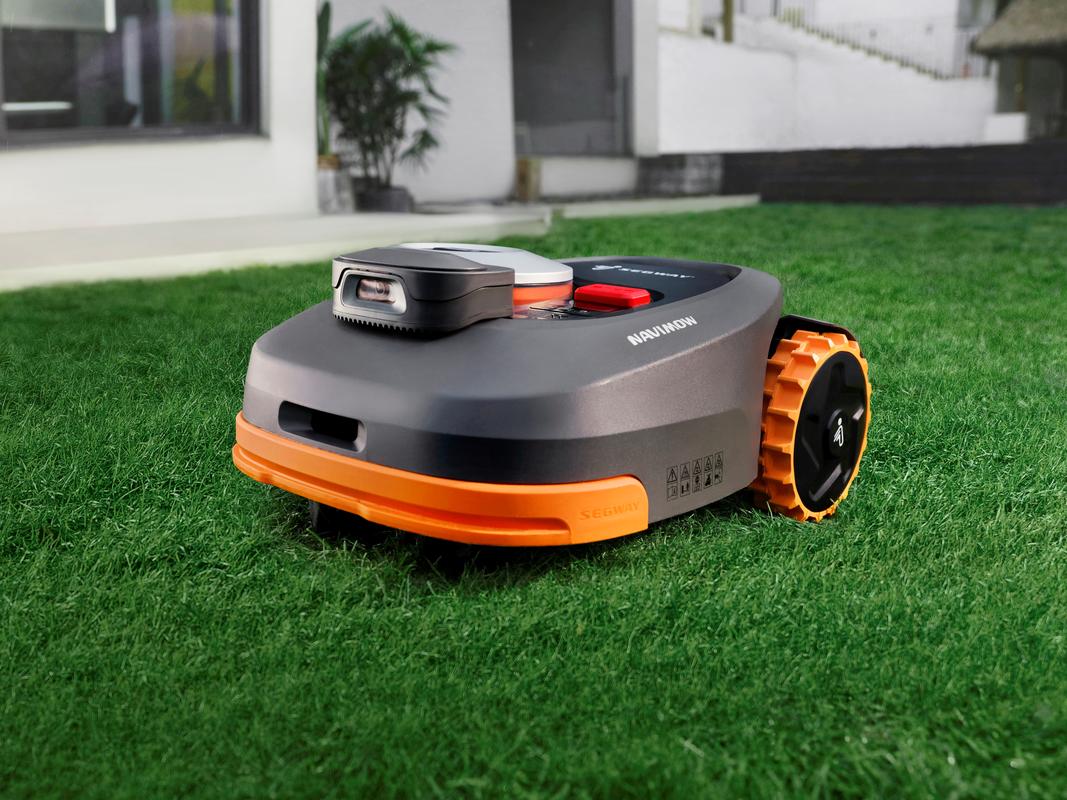
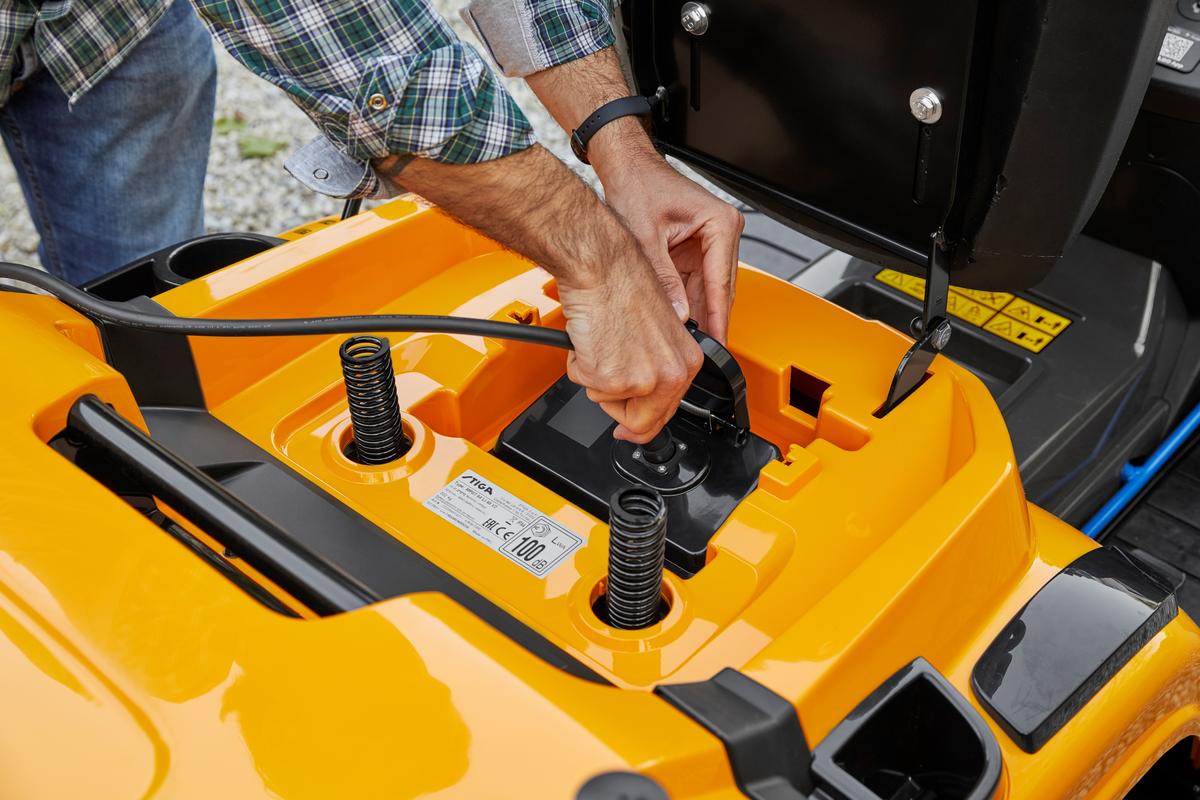
Routine maintenance. These operations essentially involve mowing the grass, dethatching and aerating the lawn, fertilizing, watering, pruning, and collecting plant debris. When mowing, it is necessary to consider the factors that influence mower choice, including whether the lawn is ornamental or amateur. The former is found mainly in gardens in particularly prestigious residential areas and is characterized by high quality, which is why it should not be walked on and should be mowed frequently and at a low height (15-25 mm). Recreational lawns are found in private gardens with grass that is not particularly high quality, and can therefore be walked on, with less frequent and less accurate mowing. The type of turf and whether to collect the cut grass (mulching) are important factors in determining the mower's cutting system: horizontal blade, mulching, or helical blade. When choosing a mower—robotic, walk-behind, or ride-on—and the width of the cutting deck, factors such as the size and shape of the lawn, the presence of trees or other obstacles, and the terrain's topography (in particular the slope) come into play. In recent years, the use of robotic lawnmowers has grown, with a wide range of models offering effective solutions for different lawn situations. Wireless models in particular, thanks to innovative wireless perimeter mapping and navigation technologies, offer precision, quality, and autonomy in cutting, even at night, as well as ease of use. Wi-Fi and Bluetooth connectivity allow remote control via an App. In the presence of irregular lawn shapes or obstacles such as trees, bushes, hedges, or flower beds, it is necessary to finish the cut with a manually operated string trimmer.
Detatching. This is necessary because a layer of inert plant material inevitably forms on lawns, consisting of undecomposed grass and leaves, moss, which is called thatch. When the thatch exceeds 2 mm in thickness, it reduces soil aeration and water penetration, promoting the development of fungal diseases, so it must be removed, at least partially, through a process called dethatching. In some cases, a metal broom or rake is sufficient; otherwise, the operation is carried out with dethatching machines that cut into the soil to a depth of 20-30 mm. The working part consists of a horizontal-axis rotor on which blades of various shapes are mounted. The machine is equipped with a protective casing and, less commonly, a system for collecting the removed thatch. When excessive compaction or other causes lead to soil asphyxiation, aeration is required to restore the soil structure through scarification, perforation, or coring. During scarification, the machine makes deep cuts (even more than 100 mm). During perforation, holes are made in the soil (up to 800-1000 holes per square meter). During coring, in addition to drilling, the soil is extracted from the hole (core). Scarification and aeration are typically performed in the spring, before the resumption of vegetative activity.
Fertilization. This should be carried out according to a program based on the definition of the annual nutrient dose, the selection of the fertilizer to be used, the planning of the period and number of interventions, and the selection of the machine to be used. For turf, the annual dose depends not only on soil fertility but also on turf type and is higher for ornamental turf, which can be divided into 4-5 applications. For amateur turf, these applications are reduced to 2-3; for ornamental turf, 2 per year are sufficient. In spring, fertilizers balanced in basic nutrients are used, while in summer, fertilization supports flowering and requires a higher potassium content. Granular fertilizers are generally used and distributed with classic centrifugal, trailed, or mounted fertilizer spreaders. Liquid fertilizers can provide a more immediate effect, as they are dissolved in water and distributed through irrigation.
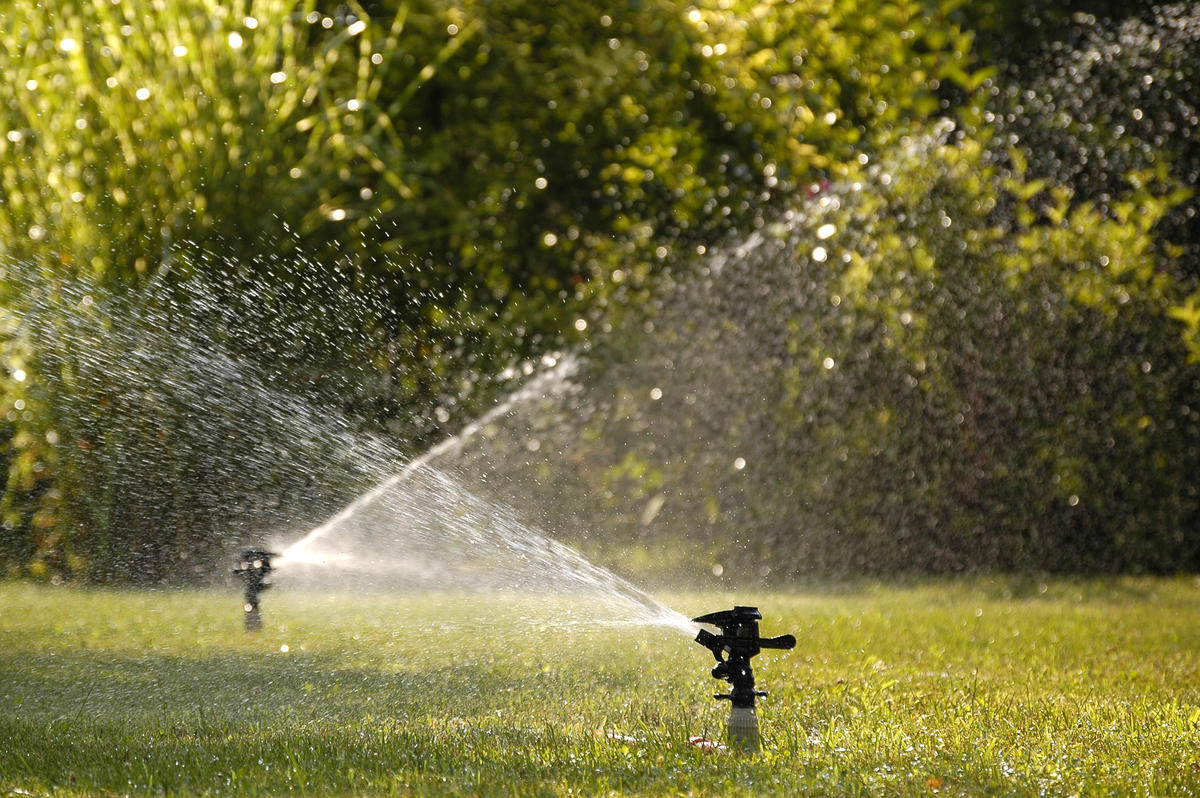
Irrigation. This is necessary when the soil is lacking water due to water loss through evapotranspiration. As a rough guide, 1,000 square meters of good grass cover releases the equivalent of about 3,000 liters of water into the air on a sunny day, which is then lost from the soil. Modern sensors allow soil water status to be monitored and, consequently, irrigation to be carried out before vegetation becomes stressed. The amount of water required for a given crop depends on soil type, with greater amounts needed in heavy, clay-rich soils than in sandy soils. It is important to avoid frequent, light irrigation, as this can keep the root system shallow. Irrigation can be carried out at any time of day, but the early morning and evening hours are preferable. Irrigation systems can be divided into sprinkler systems, with fixed, semi-fixed, or mobile installations, and micro-irrigation or localized irrigation, with sprinklers or drippers. The latter allows for significant water savings and is ideal for trees and shrubs.
Treatments. These are aimed at protecting vegetation from pests, whether animals (insects) or fungi. The symptoms of the disease are obvious, but the important thing is to prevent attacks through careful monitoring and good prevention of the causes that can lead to the onset of the disease. Protection can be biological or chemical, using sprayers. Thanks to electronics and modern sensors, modern sprayers are able to distribute the product evenly, with perfect adjustment of the product to be distributed, thus avoiding waste and drift.
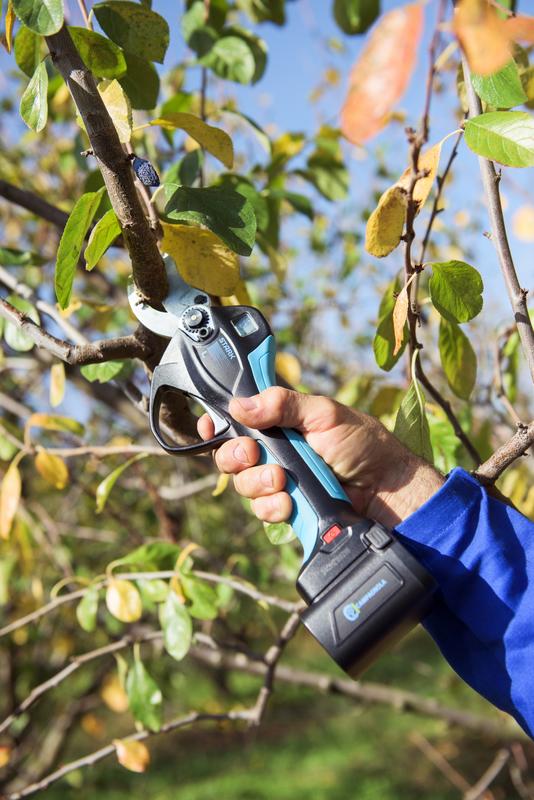
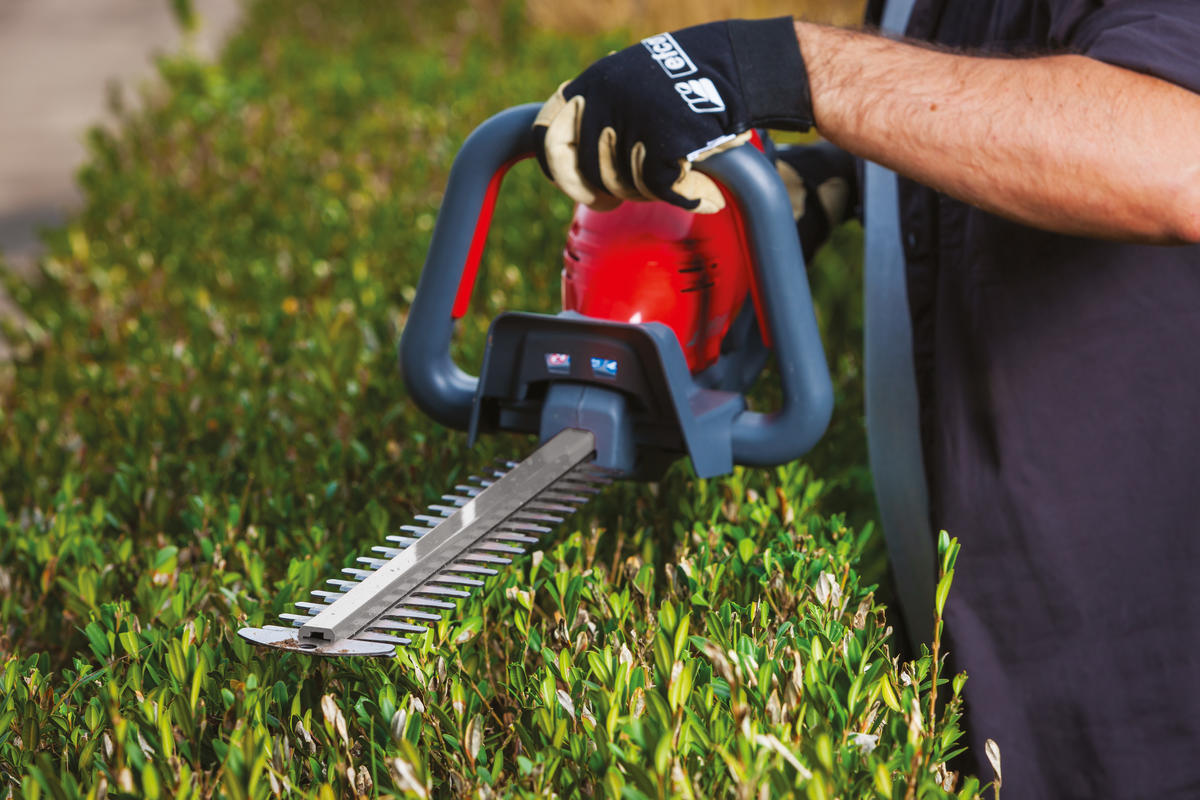
Pruning. This applies to shrubs, hedges, and trees in the garden. For shrubs that flower in winter and spring, the flower buds form in summer, and pruning should be done at the end of flowering. Summer-autumn flowering shrubs, on the other hand, form flower buds in spring, so pruning is done at the end of winter. The tools used for pruning shrubs are shears, both manual and battery-powered, which are heavier due to the battery but much less tiring than manual shears. There are three types of pruning shears: two-bladed, ideal for soft or fresh wood; fixed-blade on a fixed counter blade, suitable for hard or dry wood; and bypass blade, which behaves like two-bladed shears and is suitable for both fresh and dry wood. For formal hedges, pruning is carried out to maintain their correct shape. To encourage vegetation at the base, a slightly trapezoidal shape is given, with the base wider than the top. The general rule is to reduce the width by 10 cm for every meter of height. In formal hedges, pruning creates specific architectural shapes. For this purpose, mechanical hedge trimmers are used: first, cutting vertically from bottom to top and vice versa, and then cutting horizontally at the top. For finishing and trimming, manual or battery-powered shears are used, or manual shears with double elongated blades and long handles. The garden may contain both ornamental and fruit trees. Routine pruning of ornamental trees consists of maintenance work carried out at 1-2-year intervals for formal shapes and at longer intervals for informal shapes. This involves the total or partial removal of overgrown and/or vigorous branches, but for free forms, the focus is on trimming the top and branches and thinning out branches and twigs. The tendency is to perform 'gentle' pruning, consisting solely of trimming. A chainsaw is used to cut overgrown branches, while loppers are used to cut branches with a diameter of 4-5 cm. These are hand tools with a cutting mechanism featuring a striking blade or a through blade, with long handles. A particular type of lopper is a pruning saw, in which the cutting mechanism is located at the top of a telescopic pole and is controlled by the operator via a rope that activates the cutting blade. It is used to cut branches at a certain height from the ground. Scissors are used for trimming. In the case of fruit trees, pruning serves to manage and improve production. It is carried out every year in spring or autumn, with the exception of orange trees, which are pruned every other year. The cuts are for topping, suckering to remove fruitless suckers, thinning, and chopping to cut excess shoots.
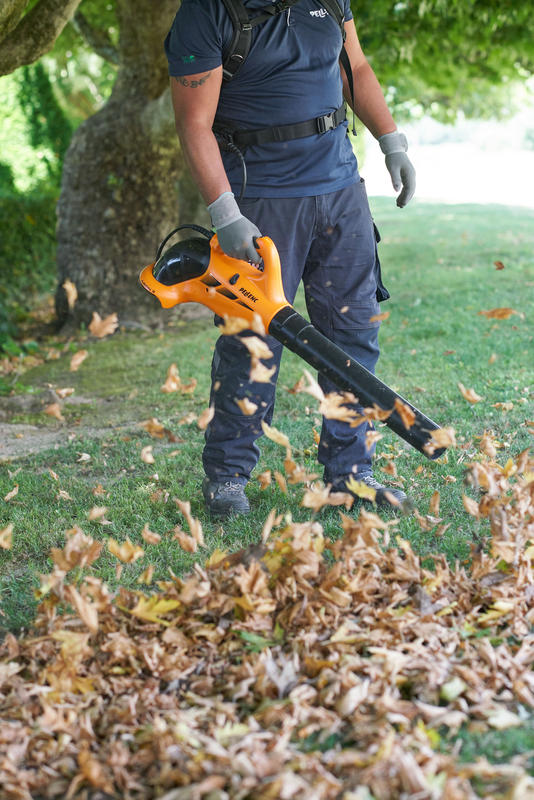
Collection of green waste. This includes fallen leaves, grass clippings, and pruning residues. The falling of leaves from trees is gradual and, despite differences related to climate and species, the process lasts for several months. It has been estimated that the volume of dead leaves from 10 trees over the course of a year is between 1.5 and 2.0 cubic meters. These are significant volumes, which are usually collected using manual blowers and vacuums. The green mass to be collected from mowing the lawn is practically zero when mulching and using robots; however, it varies depending on the type of lawn, with values ranging from 0.5 to 3 cubic meters per 1,000 square meters of lawn. Normally, the grass is collected directly during mowing. The amount of branches obtained from tree pruning also varies greatly depending on the species and their development; for 10 trees, it ranges from 1.5 to 2.5 cubic meters. Hedge pruning residues are in the order of 4-5 cubic meters per 1,000 linear meters. These residues are increasingly being shredded. This reduces the volume (up to 1/10 of the initial volume), and the product can be used for thermal energy production, mulching, or composting.
Battery-powered machines and equipment. In the general context of climate change adaptation measures, ecological green spaces (parks, urban forests, gardens, areas subject to massive planting of vegetation and primarily trees) play an important role, increasingly aimed at improving the environment, combating extreme weather events, and ensuring user comfort. In this context, the maintenance of green spaces must also meet the same requirements for environmental respect, user enjoyment, and the safety of ecological operators. As a result, battery-powered equipment and machines for the maintenance of green spaces, both hobbyist and professional, are increasing in number, thanks in part to the production of increasingly efficient batteries that provide greater working autonomy than first-generation batteries. This is accompanied by ease of use of electrical equipment, reduced noise pollution, and the elimination of polluting gas emissions, while offering performance that is no less than that of similar internal combustion engine machines.