Hop harvesting: operational challenges and mechanization strategies
Hop cultivation in Italy has expanded rapidly in recent years. Harvesting remains the most critical stage, characterized by high labor requirements and insufficient mechanization
Hop cultivation in Italy has seen rapid expansion in recent years, driven by the growth of the craft brewing sector. This evolution has led to increased attention on the most critical stages of the production chain, where harvesting is particularly significant. Harvesting is typically characterized by high labor requirements and limited mechanized solutions, often developed on a small scale.
Characteristics and distribution of the crop
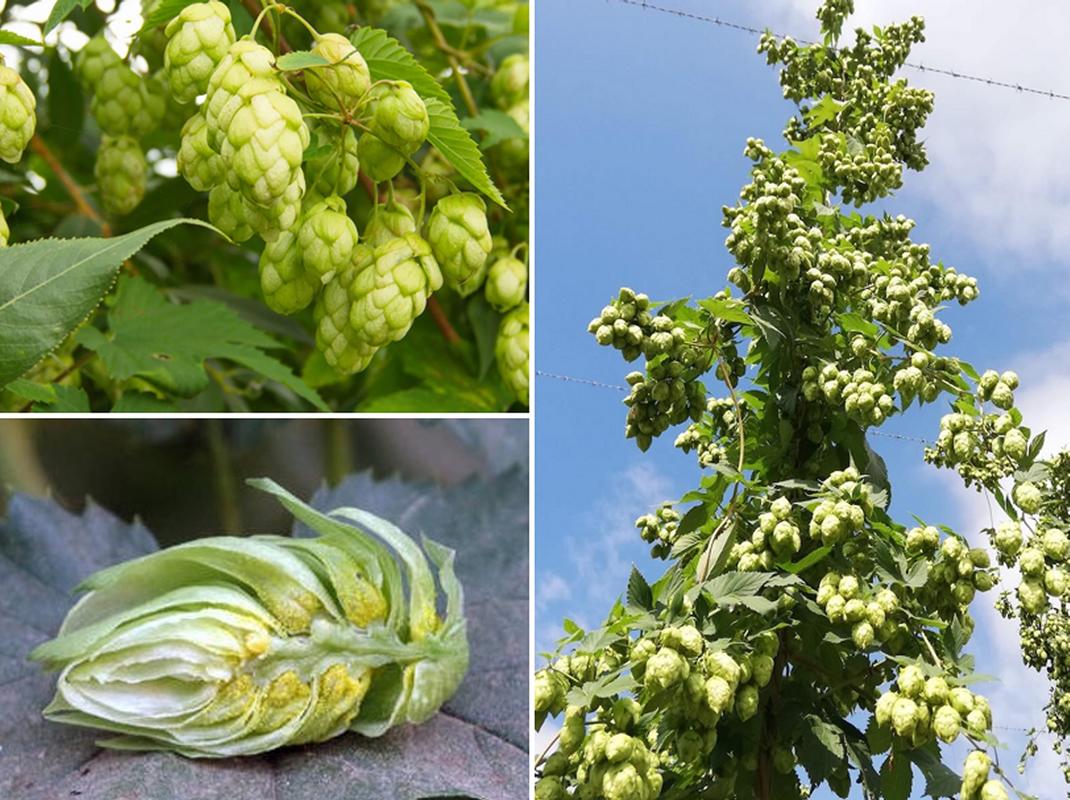
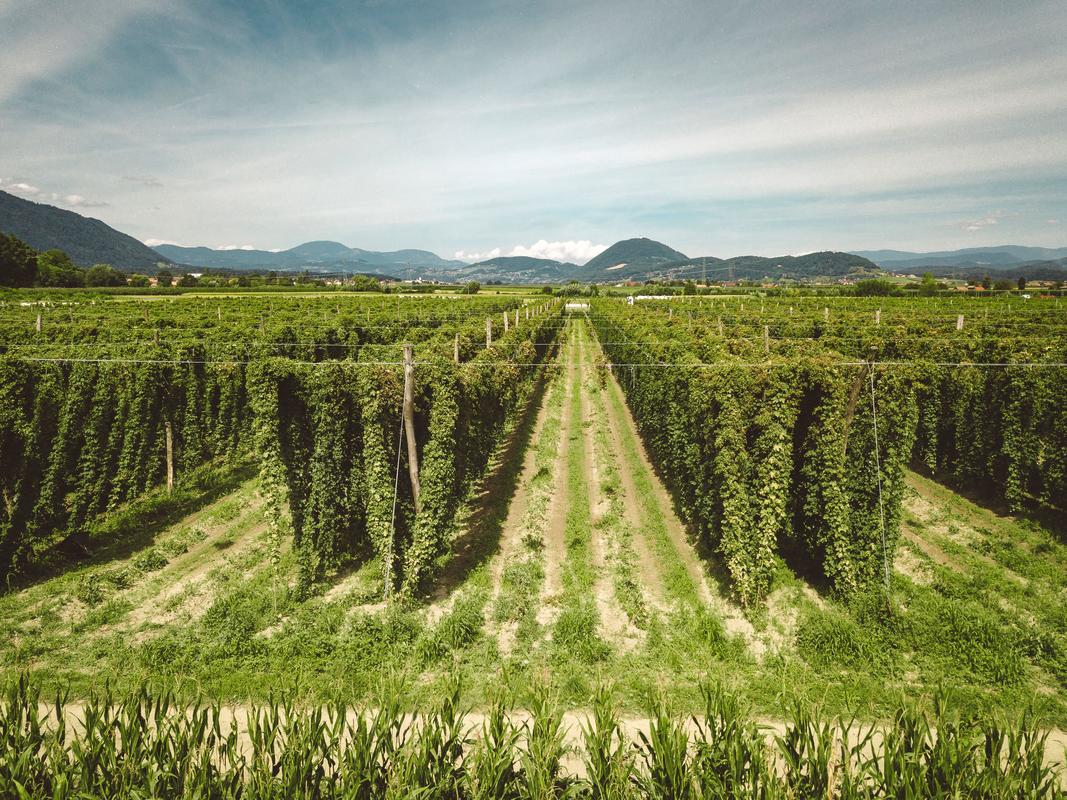
Hops (Humulus lupulus L.) are a perennial herbaceous species belonging to the Cannabaceae family, characterized by a climbing habit and an annual growth cycle. Each year, the plant produces new shoots (bines) that are flexible and vigorous, winding around supports and reaching 6–8 m in height.
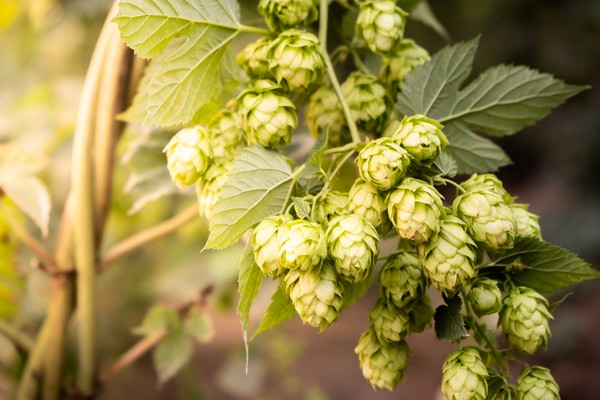
The female inflorescences (cones) are the main organs of interest for brewing purposes, which develop along the shoots during the summer. The cones consist of overlapping bracts and contain lupulin glands, rich in bitter resins and essential oils, which are responsible for the aromatic and preservative qualities.
Cultivation requires specific soil and climate conditions. It prefers well-drained, organic-rich soils with a neutral or neutral to slightly acid pH. It has high water requirements, especially during the vegetative growth and cone development phases. The availability of nutrients, particularly nitrogen and potassium, also significantly affects yield and quality.
Suitable growing areas are located between 35° and 55° north latitude. In Europe, the main production centers are Germany (Hallertau), the Czech Republic, Poland, and Slovenia.
In Italy, cultivation is expanding, particularly in the northern and central regions, including Piedmont, Lombardy, Veneto, Emilia-Romagna, and Tuscany. The industry is characterized by small-scale farms, often linked to craft beer production. It is precisely these small farm sizes that make implementing advanced mechanization solutions challenging.
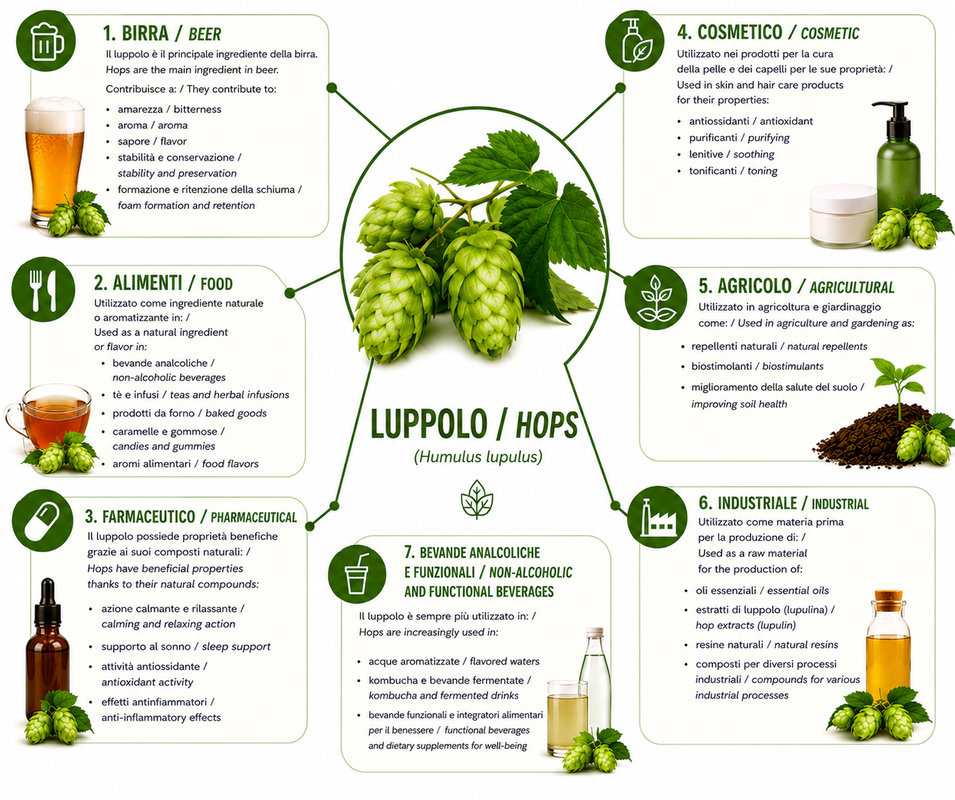
The primary use of hops remains beer production, where the cones provide the characteristic bitter taste, aroma, and certain preservative properties. In addition to beer production, hops can also find valuable applications in other fields such as herbal medicine, cosmetics, and nutraceuticals (see box).
Hop harvesting: operational requirements and limitations of manual management
The hop field is established in the spring by planting rhizomes or seedlings, with row spacing generally 2.5–3 m and within-row spacing 1–1.5 m. Full production is reached after 2–3 years. The annual cycle includes spring vegetative growth and summer cone maturation.
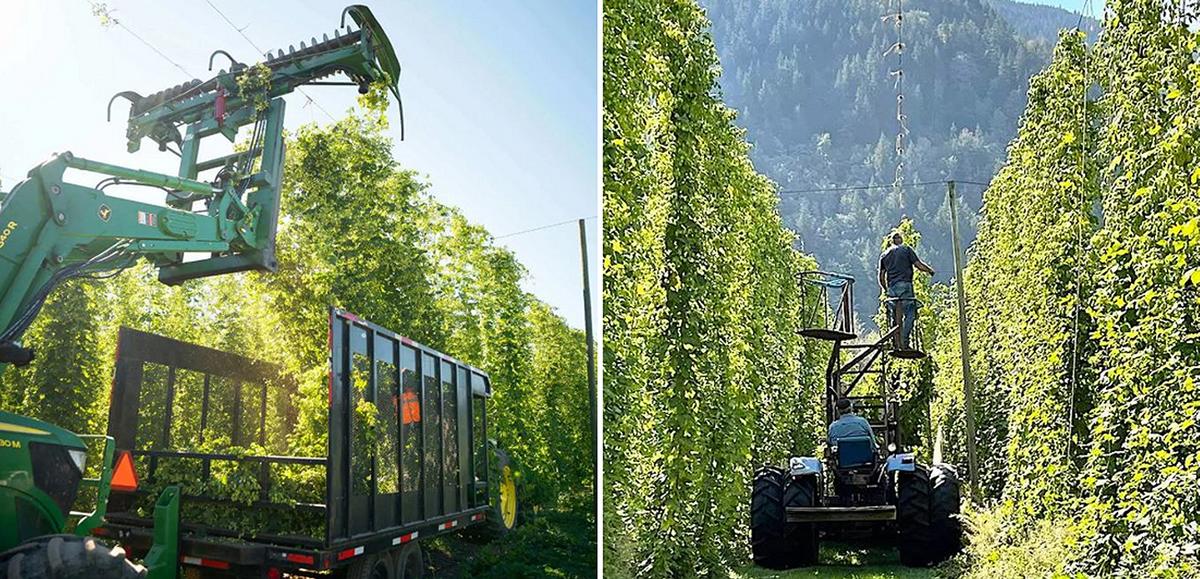
To maximize production, 2–3 shoots are selected from each plant and manually trained (due to their climbing nature) to grow along vertical wires made of natural cellulose materials (paper, coconut fibers, etc.), connected to a supporting structure consisting of long poles joined at the top by cables positioned approximately 6–7 m above the ground. “Training,” or the process of winding the young shoots around the wire, requires repeated interventions during the early growth stages. To tie the shoots and manage them during growth, orchard platforms, elevating platforms, or platform-equipped carts are used to work at height safely.
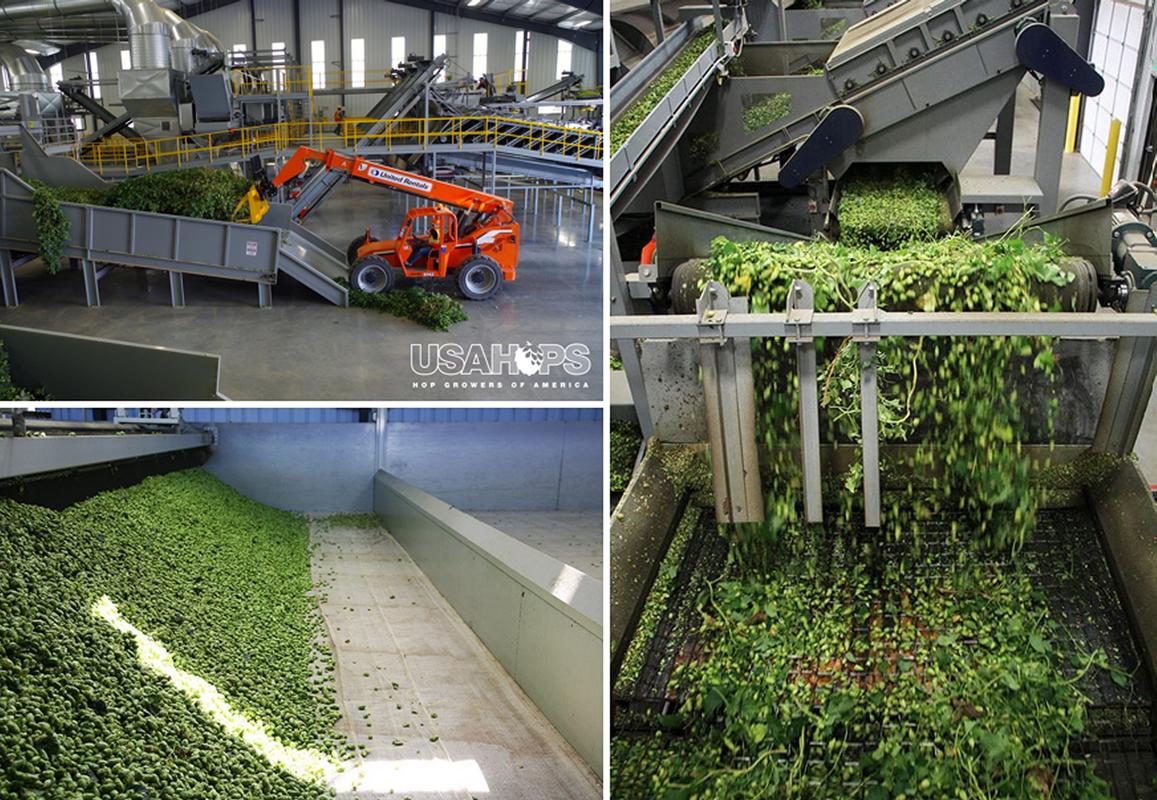
Hop harvesting takes place primarily between August and September, depending on the cones’ ripeness. From an operational standpoint, this process can be entirely manual, semi-mechanized or fully mechanized. In the major producing countries, mechanization is fully implemented, with high-capacity harvesters that efficiently process large quantities of product. These machines cut the bines at the tips, then collect them and convey them onto trailers for transport to the processing facility, where the cones are separated.
In Italy, manual or mechanically assisted systems are the norm. As might be expected, manual harvesting requires a large workforce and results in limited productivity. Mechanically assisted solutions apply only to post-harvest handling of the product.
Cultivation methods and the organization of the harvest site determine the feasibility of mechanizing the crop. For this very reason, in many cases, harvest management constitutes the main bottleneck for potential business expansion. Furthermore, due to the delicate nature of the cones, rapid transport of the product to the processing site is necessary to avoid quality losses.
Mechanization of hop harvesting: technological levels and production models
In the main producing countries, harvesting and product separation rely on fixed facilities with high operational capacity. The bines are conveyed using special grippers/hooks to the picking units, where separation is performed using oscillating or rotating combs, toothed drums, and/or opposing rollers. The product is then sent for separation, which is carried out by screening followed by air-sifting to remove unwanted fractions and sort by size.
The processing line includes several additional cleaning and conveying stages, culminating in the concentration of the cleaned cones and the separate discharge of plant residues, with an operating capacity of several hundred bines per hour. As an alternative to fixed-type plant facilities, manual-feed machines are available that feed bines discontinuously. This solution has a lower operating capacity than fully mechanized systems but offers greater operational flexibility.
Semi-mechanized machines are the most common solution in Italy: product feeding is manual, but cone separation is automatic. This represents an acceptable compromise between investment and operational capacity, suitable for small and medium-sized farms.
Main intended uses
The methods of processing and preserving hops determine their intended uses, influencing their quality characteristics, stability, and application methods.
Today, however, hops are primarily used in beer production, where the female cones - depending on the recipe - give the product its classic bitter taste and aroma. These characteristics are imparted by alpha acids, which provide the typical bitter note, while essential oils determine the aromatic profile.
During beer production, hops are added at various stages in the form of dried cones, pellets, or extracts, derived directly from post-harvest processing without further processing.
In addition to brewing, hops have valuable applications in the food, herbal, and cosmetic industries, sectors in which product quality is closely linked to proper management of drying and storage.
From harvesting to initial processing
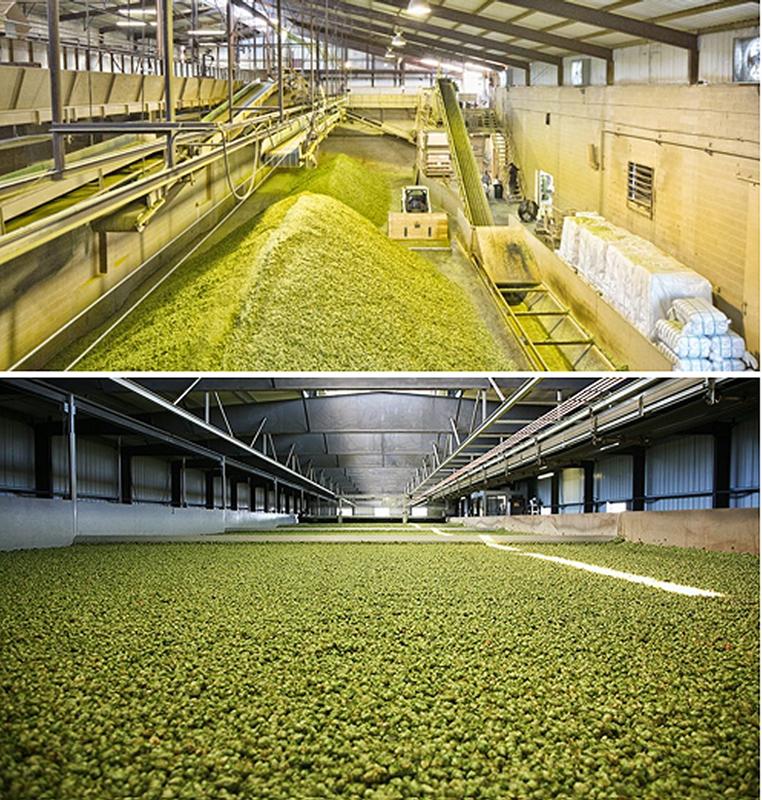
To preserve cones quality, the initial operations following the cutting of the bines must be carried out quickly, in close coordination with the organization of the individual site.
The cleaned cones is dried using a stream of hot air at 50–65 °C, reducing its moisture content from an initial 75–80% to 8–10%. This is essential for stabilizing the material, making it suitable for subsequent processing. Depending on its commercial use, the product is packaged in bales, bags, or pellets, and then stored in refrigerated environments protected from oxygen and light to preserve its aromatic and functional characteristics, which are essential for various end uses.