
Stihl, technological innovation drives turnover
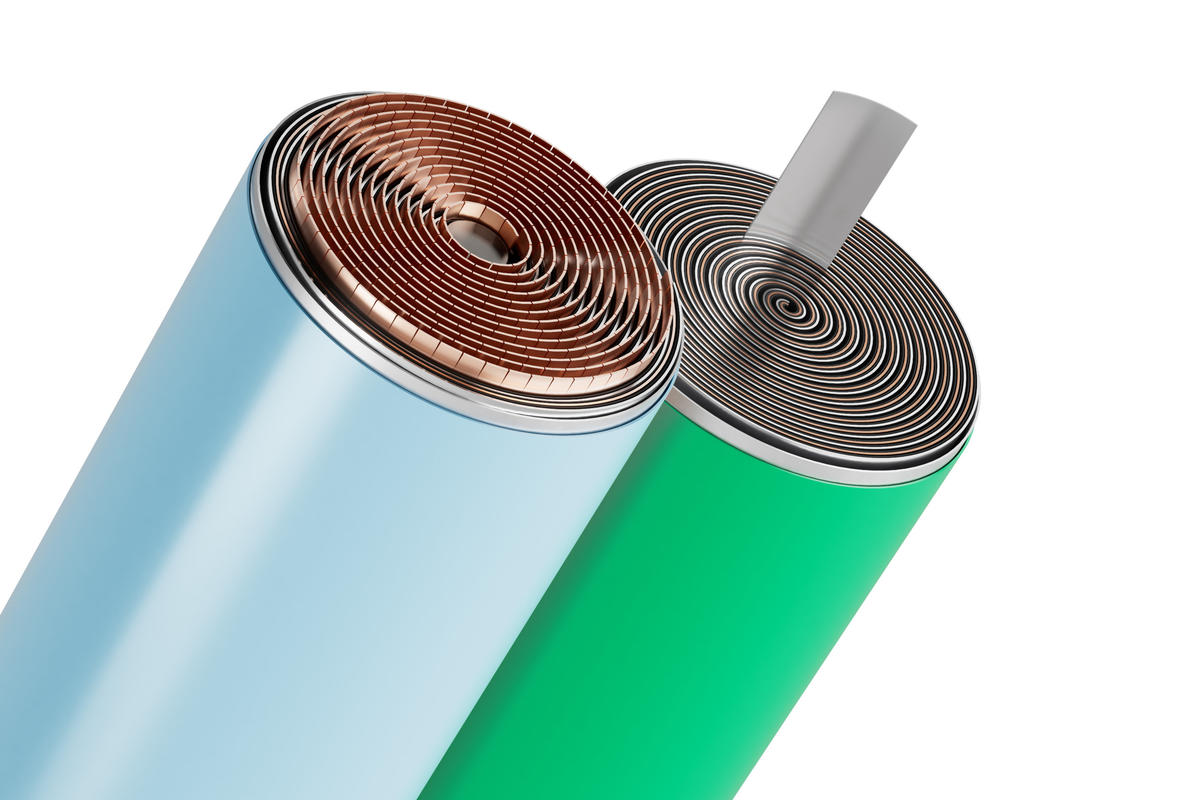
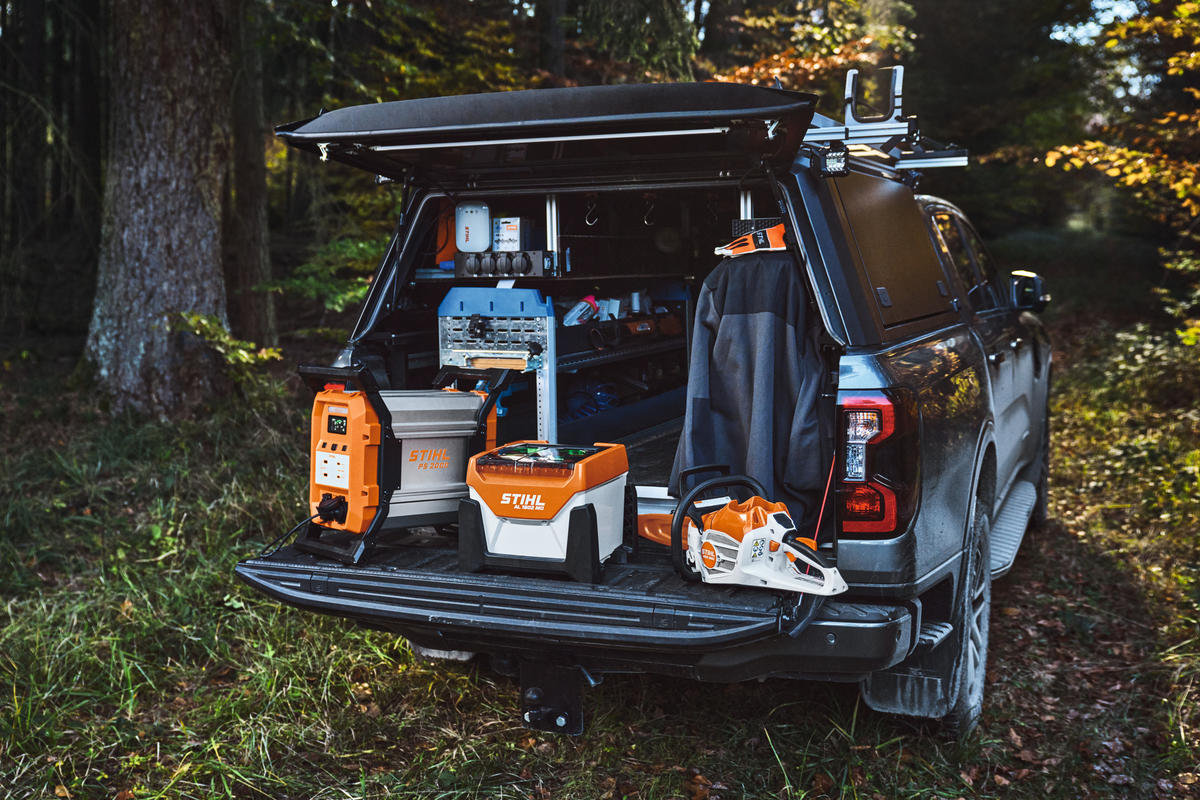
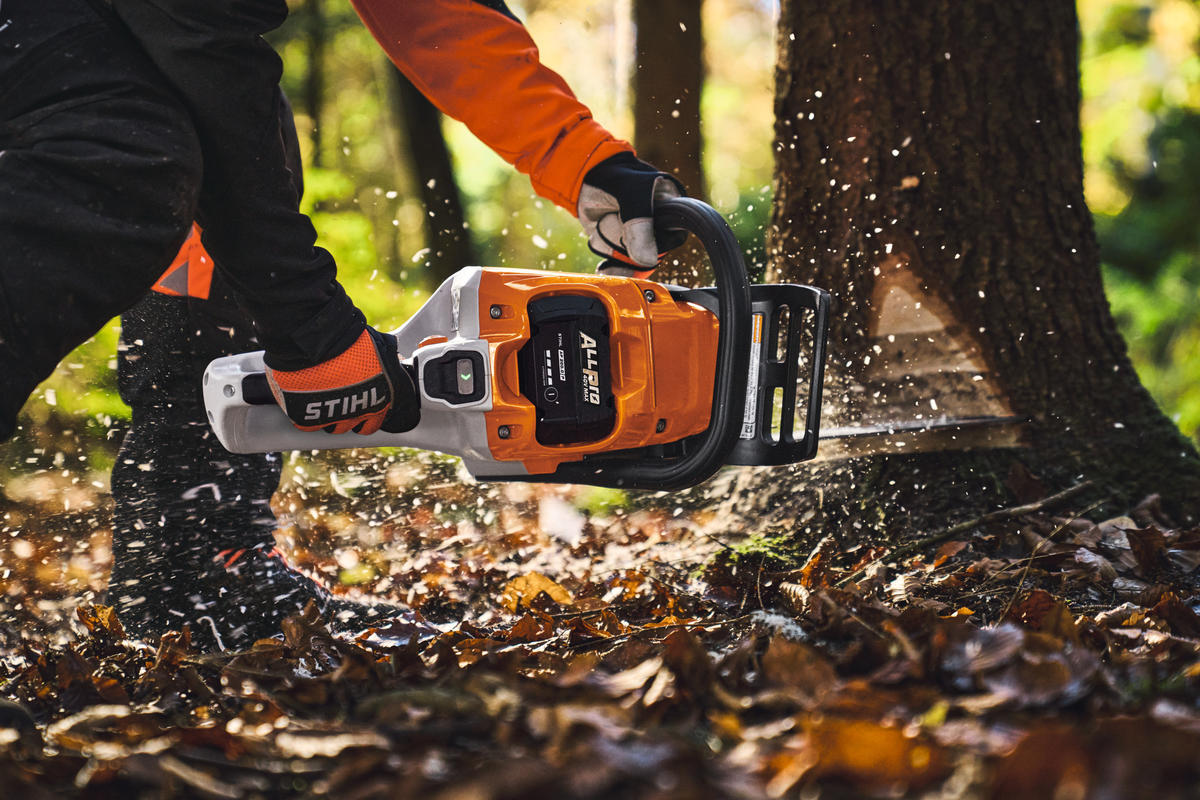
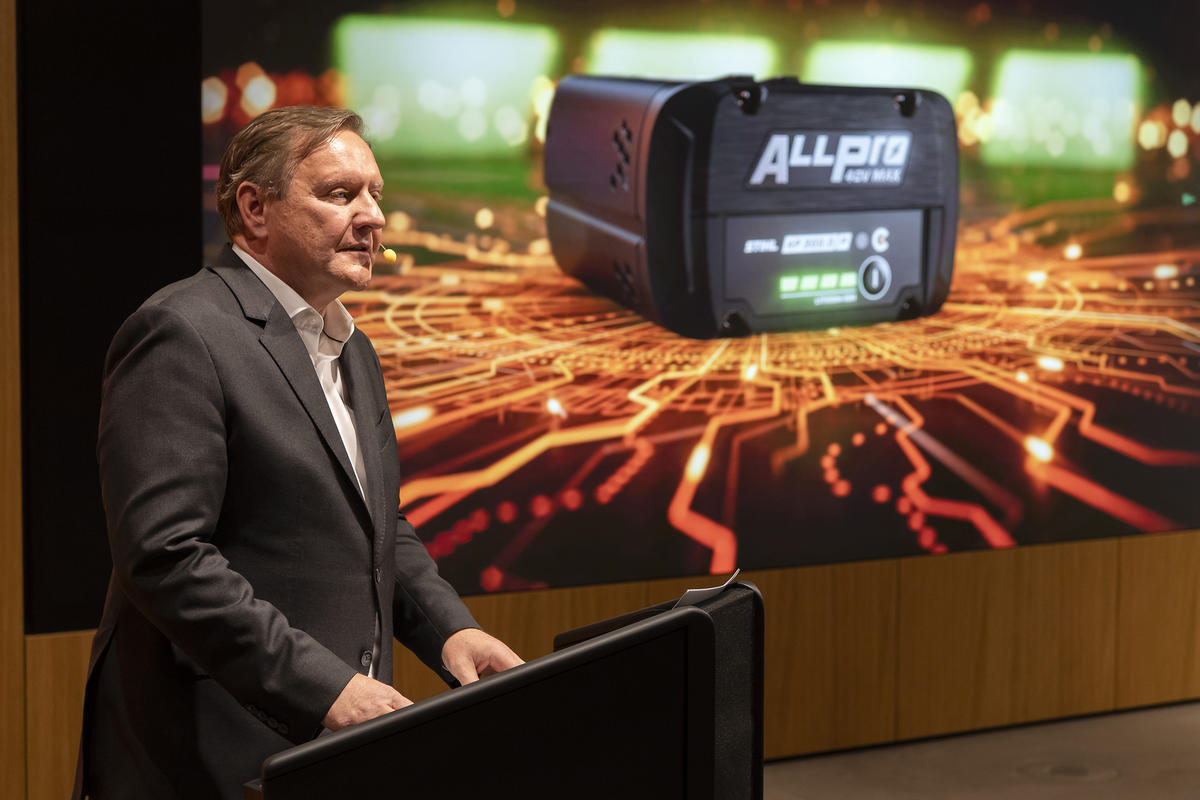
The Stihl Group reported growing revenues for 2025, closing with a turnover of approximately EUR 5.5 billion, marking a 2.8% increase compared to 2024. The German manufacturer made the announcement, commenting positively on the financial performance achieved in a difficult environment. The tightening of tariff policy in the United States – the primary destination country for Stihl products – the slowdown of many national economies, as well as the unfavorable trend in currency exchange rates, could have weakened the business of the Waiblingen-based company, which generates almost all of its turnover (91%) abroad and which has instead demonstrated a significant ability to adapt to new market scenarios. "In a complex situation like the current one, we have focused on medium- and long-term development strategies," explains Michael Traub, Chairman of the Stihl Board of Directors, "with the aim of promoting the transition to battery technology and increasing investments in our global production and sales network". And it is precisely from this new strategy of the German manufacturer that the ALLPRO system was born, conceived for professional landscape care, municipal services and forestry work. At the heart of the ALLPRO system is tabless technology. In traditional cells, the current passes through a single point of contact, a small metal tongue called a “tab” which – explains the manufacturer in a technical note – limits the flow of energy and, during phases of greater load, contributes to the production of heat. In tabless cells, however, the energy is distributed over a much larger surface area, with a faster and more efficient passage of current, increasing the battery's capacity to deliver power and reducing charging times. Furthermore, the lower internal resistance limits heat development both during use and during charging. Compared to an AP 300.0 S battery from the STIHL AP system, the new ALLPRO AP 300.0 P with tabless technology offers higher peak power (+60%), longer runtime (+20%) and charging times cut in half. The service life is also doubled, with up to three thousand charge cycles with no loss of performance. For professional users, this means being able to work longer, with faster charging and with fewer batteries on the job site.