The investment strategies of Italian companies
The Indian market also speaks Italian. Many Italian companies have decided to invest in India, attracted by a competitive job market, sustained economic growth, and a highly specialized workforce
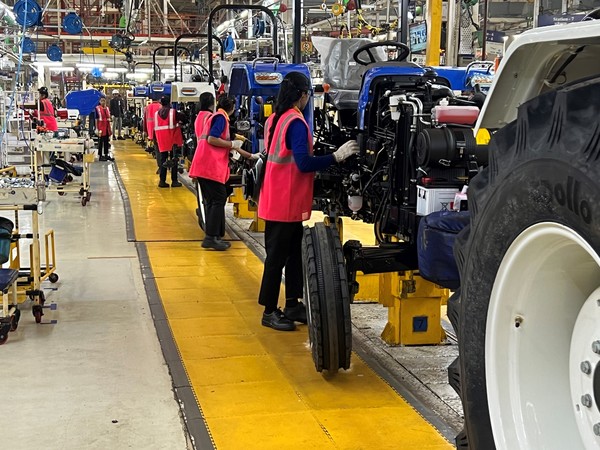
size of the Indian market and its high growth rates (economic and demographic) are among the main elements that make it attractive. Another aspect is the labor factor, which has competitive costs and sees the presence of qualified resources in innovative and technological sectors. This is an asset that has been consolidated in recent years with the return of so-called Indian Talents from abroad.
This context has pushed many Italian companies to establish a direct presence in India. The latest available figures put them at over 700, including both local companies and commercial or representative offices, which are therefore considered branches of the Italian parent company. For several years now major Italian groups have dominated the market with important local structures in various sectors: from Stellantis to Enel Green Power, from Italferr to Ferrero, as well as Mapei, WeBuild, Saipem, Techint, Luxottica, Bonfiglioli, and Maschio Gaspardo. Many leading fashion, furniture, and luxury brands (including Poltrona Frau, Artemide, Natuzzi, Zegna, Armani, Flou, and IGuzzini) also have permanent headquarters in the country. The defense sector (ELT Elettronica, Fincantieri, Leonardo) has an important and well-entrenched presence.
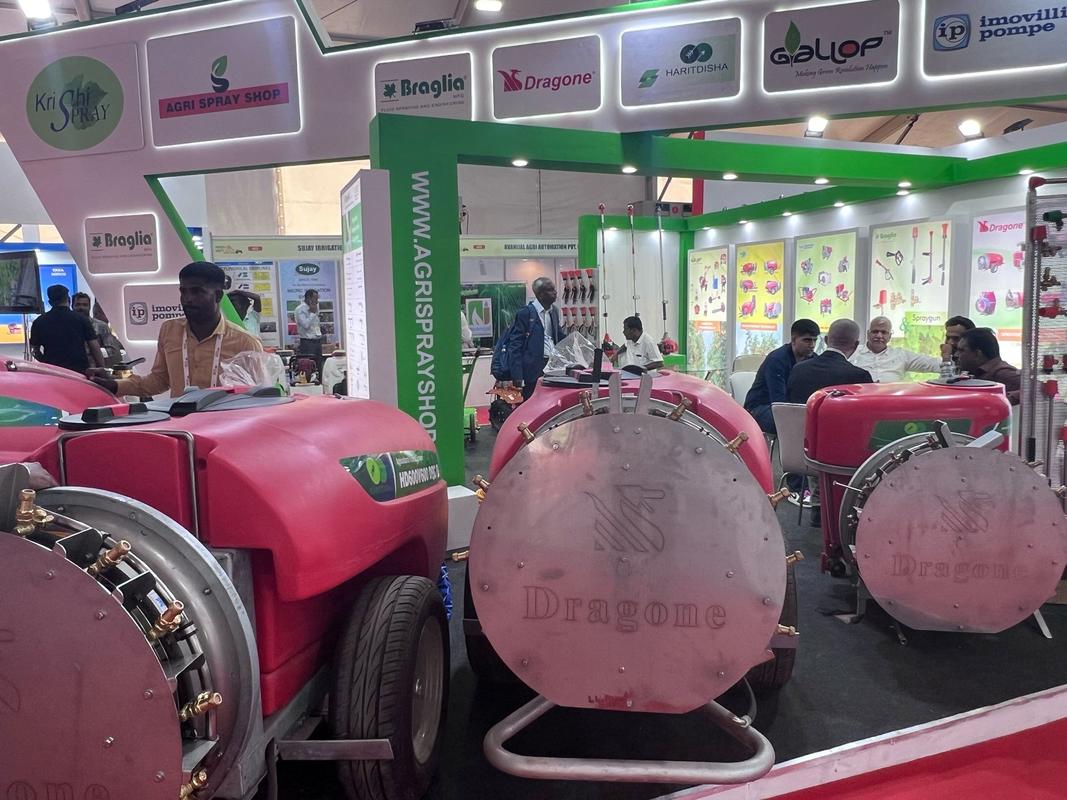
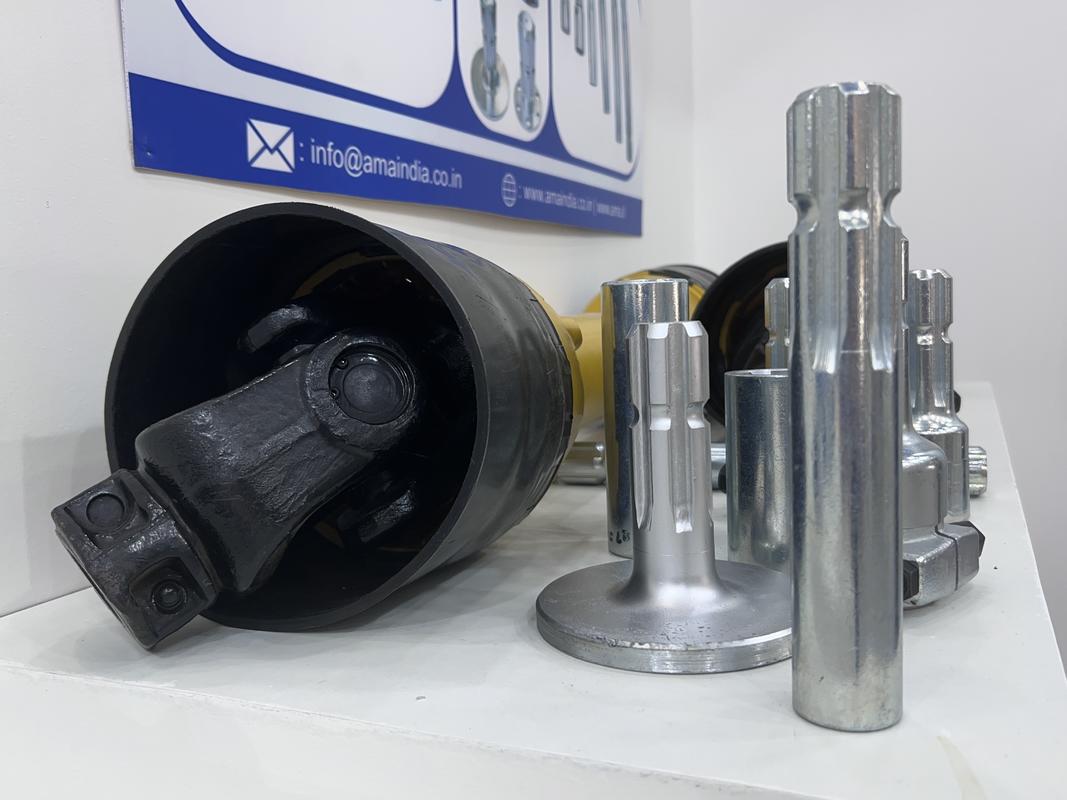
Although certain sectors are often cited as priorities for Made in Italy products - advanced mechanics, green technologies, consumer goods, infrastructure, space, and defense - in reality, Italian companies with relationships with the Indian market operate in a wide variety of sectors. Here are just a few of our many products with significant market shares in India: medical diagnostic equipment, refrigeration machines, mechanical components for industry (e.g. pumps, mechanical seals, etc.), leather processing products and packaging accessories, helmets, construction products, etc., and, last but not least, agricultural machinery and accessories. Equally vast and diversified is the range of goods that Italy imports from India. From textiles to fish products, from agricultural products to tires, imports from the subcontinent cover a wide range of sectors.
Returning to the topic of the Italian presence in India, Italian companies find themselves faced with not only large conglomerates but also a pool of medium-sized companies which constitutes a very dynamic component of the economy. SMEs on the subcontinent contribute a third of the national product and 45% of exports, and in the new competitive trade landscape they are frantically seeking new markets.
If the data provided so far shows the opportunities of the Indian market for Italian companies, let's try to summarize - also in light of the direct experience of some of these - the points of which to be aware in particular for those who intend to start entering this market now.
The first element that needs to be pointed out is the bureaucratic and administrative complexity which characterizes the local business context. This derives from various factors such as the articulation and frequency of regulatory interventions. These are associated with the federal structure with significant differences in the rules of the various states, and the size of a market with different commercial practices and features.
The issue concerns both companies operating in export or import, as well as those intending to establish a direct presence in India: whether a branch or a local company. In this regard, the experience of many medium-sized Italian companies has indicated the need to modify the initial entry procedures. For example, those who had started operating locally through an agent soon switched to using an importer as a contact person, and finally preferred to collaborate with their own dealer. This strategy is appreciated by Indian customers, especially in certain sectors where after-sales assistance and the on-site presence of foreign company representatives are rewarded. Even the traditional import activities from India developed over the years by Italian companies (for example in the textile and leather goods sectors) have contributed to consolidating knowledge and managing the complexity of procedures. In many cases this has been through the use of independent companies (e.g. SGS, Bureau Veritas…) that deal with qualitative, quantitative and certification of the goods.
As regards the topic of Italian exports to India, the critical issues to be managed, in addition to the frequent updating of the customs classification within the Harmonized System (with impact on duty rates), there are the presence of countervailing, protective and anti-dumping duties, and above all the complex customs clearance procedures. Another issue to consider is that relating to non-tariff barriers which arise for example from phytosanitary and health regulations, or from the different technical standards that goods must adhere to, or even from the obligation to import only from state monopolies. The import of second hand capital goods is permitted (unlike other markets) but its residual life must be certified and must respect specific limits. The selection of Indian AEO (Authorised Economic Operator) certified partners allows one to reduce the risks and times associated with international trade operations.
The origin of the product has now become of absolute importance for duty purposes. For example, if a piece of machinery produced in Italy for the USA contains a component made of Indian steel, it is subject to the US duty applied to India.
The same applies to the issue of sanctions: if a clothing product contains cotton fabric processed in India but of Chinese origin, it could be subject to the sanctions applied to China for human rights violations if the cotton harvest comes from the Xinjiang region.
Within this framework, not only with regard to India but also to relations with non-EU markets in general, companies that have not already done so need to acquire specific skills (logistics, customs, tax, international sanctions, etc.) from a profesional figure we might call a Logistics & Compliance Manager, who is capable of planning these critical activities.
Finally, here are some considerations on entrepreneurial initiatives aimed at establishing a direct presence in India. First of all, this is an option that should not be ruled out, as is indeed the case for all large, distant and difficult markets (e.g., the USA or Brazil), which in some respects make this step necessary. In this regard, we can see how the companies that have landed in India – we are referring in this case to medium-sized companies that have consistently and successfully established themselves in the market – have acquired such significant expertise that many of them have become so-called Italian pocket multinationals. In reality, the choice between incorporating a local company and opening a branch has often been seen not so much as an alternative but rather as a transitional phase in the evolution of the company's local presence. As in other foreign markets, the difference in bureaucratic complexity between the two options leads to more than proportional effects in terms of positive impact on business creation.
For many companies, the strategy of establishing a company with a local partner – a joint venture – has been an option that has simplified bureaucratic hurdles right from the entry stage (procedures, human resources management, opening accounts, access to credit, etc.).
Regarding the optimal location of these facilities, we can note how Italian companies have in most cases favored certain areas, such as the Mumbai-Pune hub (Maharashtra), in which Pune is the industrial district and Mumbai the commercial and financial center.
Other attractive centers include Tamil Nadu and Chennai, for the IT and innovation sector certainly Bangalore (Karnataka), and the industrial hub around Delhi.
The evidence from existing businesses confirms how crucial it is to choose a district with expertise geared toward the relevant economic sector.