
East Africa: exports and compliance requirements
The eight countries belonging to the East African Community offer interesting business opportunities, especially in the agro-industrial sector. Nevertheless, Italian manufacturers intending to operate in these markets must comply with strict regulatory requirements
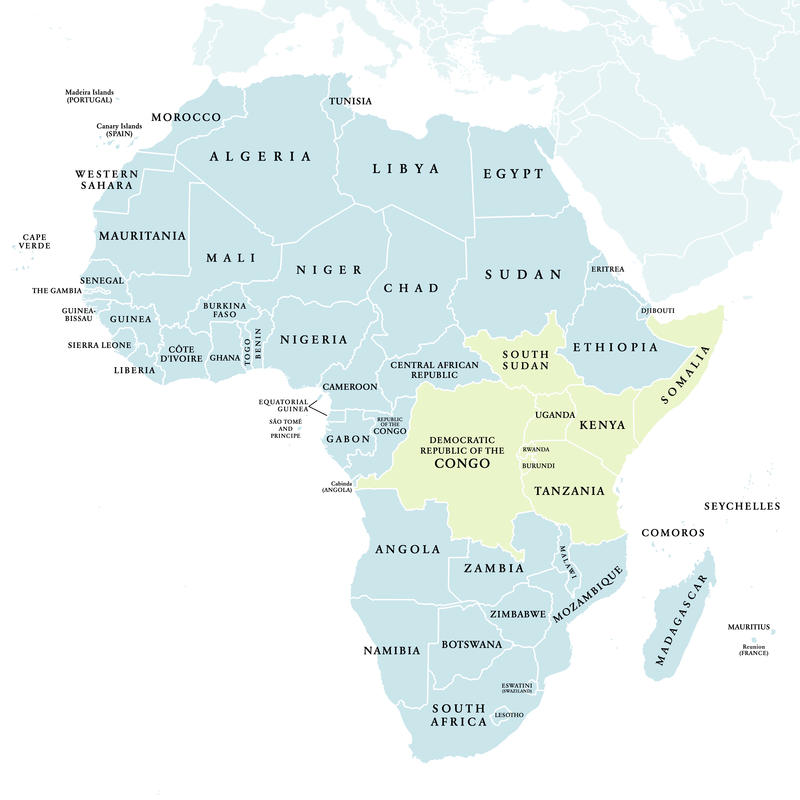
This issue focuses on regulatory compliance, that is, the procedures and rules that companies must follow to export goods to non-EU countries. To do this we will examine the case of the East African Community (EAC), a regional intergovernmental organization with eight member countries: Burundi, Democratic Republic of Congo, Kenya, Rwanda, Somalia, South Sudan, Uganda, and Tanzania, where its headquarters are located (Arusha). The EAC is just one of the Regional Economic Communities that exist in Africa (ECOWAS, UEMOA, COMESA, SADC) and its main mission is to pro-mote integration among the nations in the region.
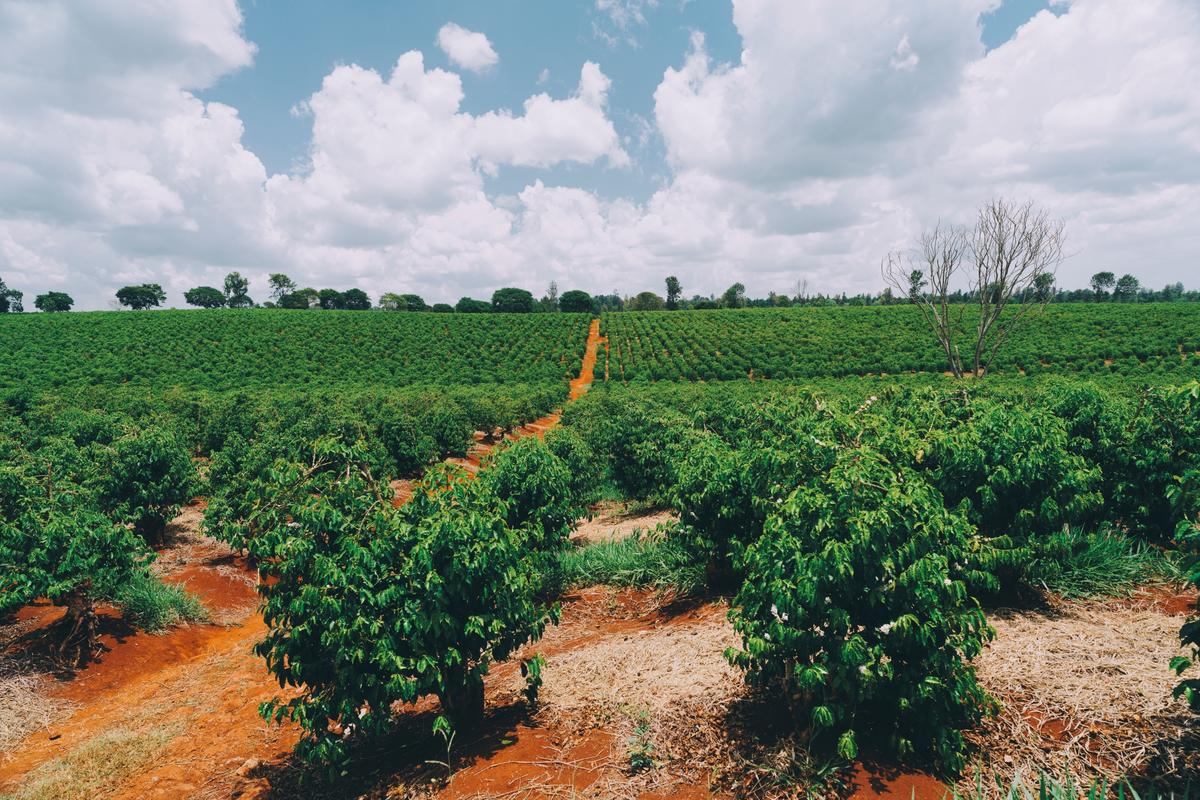
The EAC was chosen because it features an agricultural sector that employs over half the population, has considerable demand for technological inputs, and is also seeking to further boost the growing export of food products (fruit and vegetables, for example).
The EAC is a Single Customs Territory which has recently acted to reduce internal tariffs in order to promote trade among member countries. Although they have some countries in common, it is important to point out that the EAC is not the same as the Common Market for Eastern and Southern Af-rica (COMESA).
Regulatory and Product Compliance. One of the most complex elements in exporting to East African countries is the certification process for incoming products. Here in this section we also report the findings of an in-depth study provided to its global clients by SGS (Société Générale de Surveillance S.A.), a Swiss multinational copany specializing in inspection, verification, testing, and certification services. The central theme is knowledge and compliance with the official quality, safety, and compli-ance requirements that EAC countries require for the entry of foreign goods. Regulatory compliance entails undergoing a Product Conformity Assessment (PCA), which, once passed, allows for the is-sue of a Certificate of Conformity (CoC), which is needed to complete customs procedures for entry into the country.
It is worth knowing that the eight countries belonging to the EAC have adopted common regional standards in this field known as the East Africa Standards which make it possible to obtain an EAC Ready Certification, which, while not eliminating the need for a CoC for each country, nevertheless facilitates the process and, on a commercial level, makes entry into these markets easier. The Product Conformity Assessment process takes all required standards and places them into a hierarchy, with local ones in first place, followed by regional ones and then internationally recognized ones (such as ISO and IEC). Activities related to the issuance of the Certificate of Conformity can range from labor-atory analyses and product testing to on-site inspections at the manufacturing facility. The process of issuing the CoC is more or less the same among the various countries and is structured in four phases: application, verification, inspection, and certification.
The Certification Route varies according to the type of exporter to the EAC country: infrequent, fre-quent (homogeneous shipments) or certified at the local and international level. For each category there is a procedure, a dedicated 'Route'. For the first - Route A - advance registrations are not possi-ble and in fact transactions are mandatorily subjected to inspections and testing. Route B (for frequent exporters) requires registration and certification, while Route C includes foreign producers with pro-cess certification and a fast track for imports.
We can show an example of the process by looking at Tanzania. Here, CoC Certification is required for all regulated products and in any case for a value greater than USD 5,000. Inspection is required for all three routes. However, while Route A envisages ad hoc inspections for each consignment, for Route B these are every 3 months and for Route C every 6 months. Costs are determined by the Free on Board value - that is, on the costs calculated up to the loading of the goods on the ship in the port of departure - between 0.25% and 0.50%, which does not include any reinspections, sampling of bulk shipping (unpackaged goods, loaded directly into the holds or tanks of ships), or laboratory test-ing.
The set of activities/services involved in determining regulatory compliance in the import-export of goods is often included in the so-called Trade Facilitation Services offered by specialized companies. In this instance, particular attention must be paid to possible changes in rules and regulations. A recent and important one concerned shipments from Europe to Kenya, which are now subject to inspection on arrival. This means that freight forwarders and certification service companies are no longer able to issue a CoC before the shipment of goods from Europe.
Some idea of the problems that may be encountered can be obtained by consulting the EAC website (www.eac.int) - Custom section - which deals with various aspects: the role of the Custom Agent, customs warehouses, and export processing zones (EPZ).
Italy – East African Community Relations. While adherence to the regulatory compliance requi-sites of these markets is cetainly a key element – and a necessary condition for access – the choice of potential destinations cannot fail to take into account the policies of Italy's country system. In a recent issue of the Italian Economic Diplomacy Newsletter, the Ministry of Foreign Affairs and International Cooperation confirmed Italy's interest in East Africa, an area that has shown remarkable solidity in the current context, and which recorded an economic growth rate of 6.6% in 2025, with attractive esti-mates for the two-year period 2026 (+5.9%) and 2027 (+6.4%).
When considering the different EAC countries, the first observation is that four of them are included in the Mattei Plan: Kenya, Tanzania, Rwanda, and the Democratic Republic of Congo. Kenya, as highlighted by the Italy-Kenya Business Forum held in Rome on April 20, is receiving particular at-tention because the country aims to become a logistics, financial, and technological hub for the entire East Africa region. This is also thanks to the Mombasa - Lamu port system, which is an essential landing point for other countries in the region. Trade between Italy and Kenya is significant: in 2025, Italian exports exceeded EUR 159 million (with a market share of 0.7%), including a hefty component made up of industrial machinery and electrical equipment, while imports reached EUR 121 million, generated mainly by vegetable oils, tea, coffee, cut flowers, plants, fruit and vegetables. Looking at the sectors that may be of interest to readers of Mondo Macchina, Kenya's economy is centered on agriculture, with top export items including coffee, tea, and fruit and vegetables, and with significant investments in industrialization and digitalization. Challenging goals also envisage regeneration of the country's forest system. Interested companies will find it useful to monitor the actions undertaken within the framework of the strategic partnership (Mattei Plan) and the Italy-Kenya Action Plan 2026-2029.
The importance of the Tanzanian market is demonstrated by its robust GDP growth (+6% in 2025) and further consolidation prospects for 2026. Tanzania is Italy's largest trading partner in the EAC region. The SACE website lists it as the 104th destination market for Italian exports, and the eighth in sub-Saharan Africa. The country represents 0.9% of our exports (178.2 million in 2025), while im-ports reached almost 240 million. Like Kenya, Tanzania also has a port - Dar es Salaam - which is strategic for supplying Uganda, Rwanda, Burundi, the Democratic Republic of Congo, Zambia, and Malawi.
Despite some logistical challenges, Rwanda offers interesting opportunities for Italian companies, especially in the agri-business and food processing sectors. The country's political stability and propensity to facilitate foreign investments are among its main attractive features. Current trade figures - 15.7 million for exports from Italy and 23.2 million for imports - show room for growth. At the end of July, the country was admitted to the Enterprise Europe Network, a network whose aims include promoting the internationalization of companies.
Another potential target for Italian manufacturers is Uganda, not only because it is Italy's thirdlargest customer in the EAC region, with EUR 91.5 million in imported goods and services, but also because of its inclusion in important international cooperation plans. Here we will limit ourselves to reporting on the activities of UNIDO ITPO (Investment and Technology Promotion Office of the United Nations Industrial Development Organization) based in Rome. ITPO Italy has launched specific industri-al development programs, also for Uganda, in sectors in which Italy excels, including agricultural machinery, food processing, fish, agritech and food innovation. Uganda is also distinguished by an active Free Trade Zone (UFZEPA) that offers a potential platform for operating at the regional level.
Trade disputes and the local financial system. Opportunities and challenges in entering the East African Community markets suggest some considerations regarding dispute resolution methods and a look at the financial system. One state of the art aspect arose from the papers presented at the Italian Arbitration Day organized last June by the Milan Chamber of Arbitration (CAM) and the Italian Arbitration Association (AIAl), an annual event dedicated to International Arbitration. On this occasion it emerged how the current global trade scenario has exacerbated legal disruption due to an ever-widening erosion of the rules (and practices) of international trade. In this context, many companies have decided to include an arbitration clause in contracts with foreign counterparties, including those outside the EU. The data provided by CAM shows a lot of growth in the number and volume of pro-ceedings for the period 2020-25, with 198 new proceedings activated in 2025 for a total value of EUR 1.9 billion. The weight of non-EU counterparts has grown - now stable at over 5% of the total - with a significant presence from Asian Gulf countries, but also from Africa (including Morocco, Egypt and Namibia).
On the sidelines of the meetings, the companies present demonstrated, precisely because of the new context and the "fragility" of traditional rules, their appreciation of international arbitration for its characteristics that distinguish it from proceedings before national courts: shorter and more predictable timeframes, decisions that are generally not appealable, the arbitrator's competence and neutrality, flexible and confidential procedures, and recognition of the rulings in the more than 160 countries that have ratified the 1958 New York Convention (which the six EAC countries have joined).
Turning to the financial and banking system - a significant element in risk assessment - it is based on three levels: primary national banks (such as KCB Bank in Kenya or Bank of Kigali in Rwanda), African banking groups (e.g. Stanbic, Ecobank or ABSA) and international groups such as Citibank or Standard Chartered with historical relationships in Africa. The system operating in this area, as in other African countries, pays great attention to the digitalization of cross-border payments, as evidenced by the three-day event organized in early August in Kigali by the International Trade Center and the East African Community Secretariat on this very topic.
It is possible to delve deeper into financial issues by participating in special international events, per-haps combined with an on-site mission, such as GTR EAST AFRICA (Nairobi, May 12-13, 2027) and GTR AFRICA London (November 12, 2026) organized by the leading trade finance magazine, GTR Global Trade Review. But the key step remains consulting your bank and SACE to help identify preferred banking counterparties and possible risk coverage. This information will be useful to have in the early stages of negotiations with local counterparts.