CaBa technologies for mechanical weeding
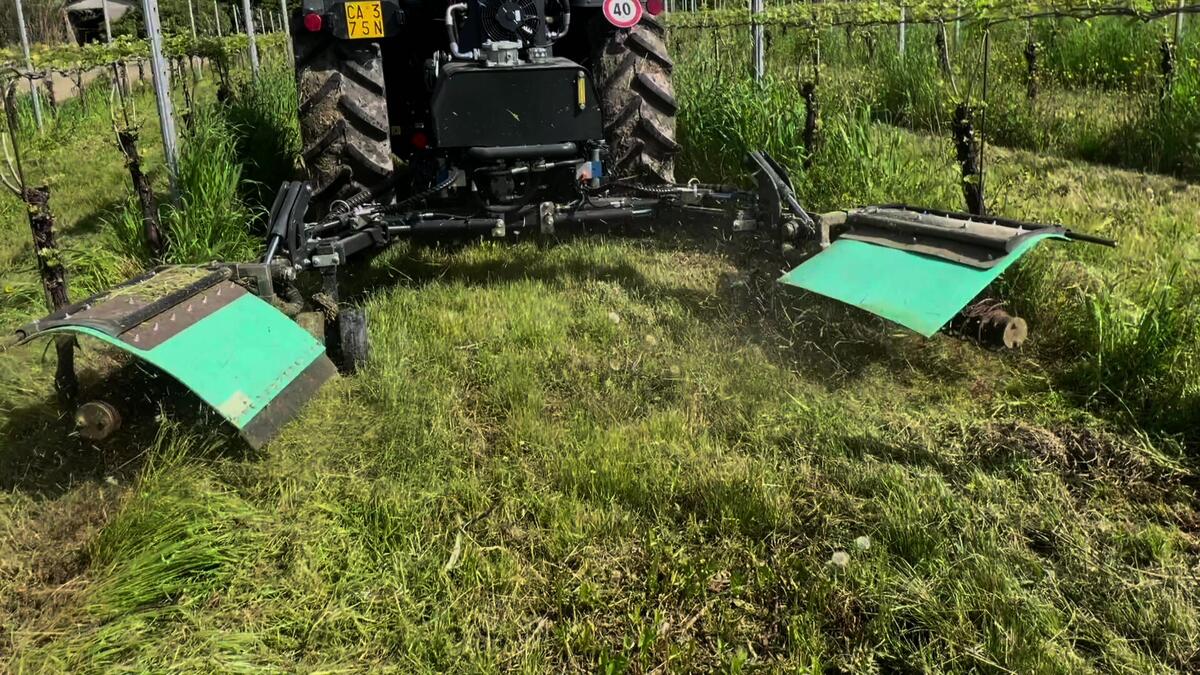
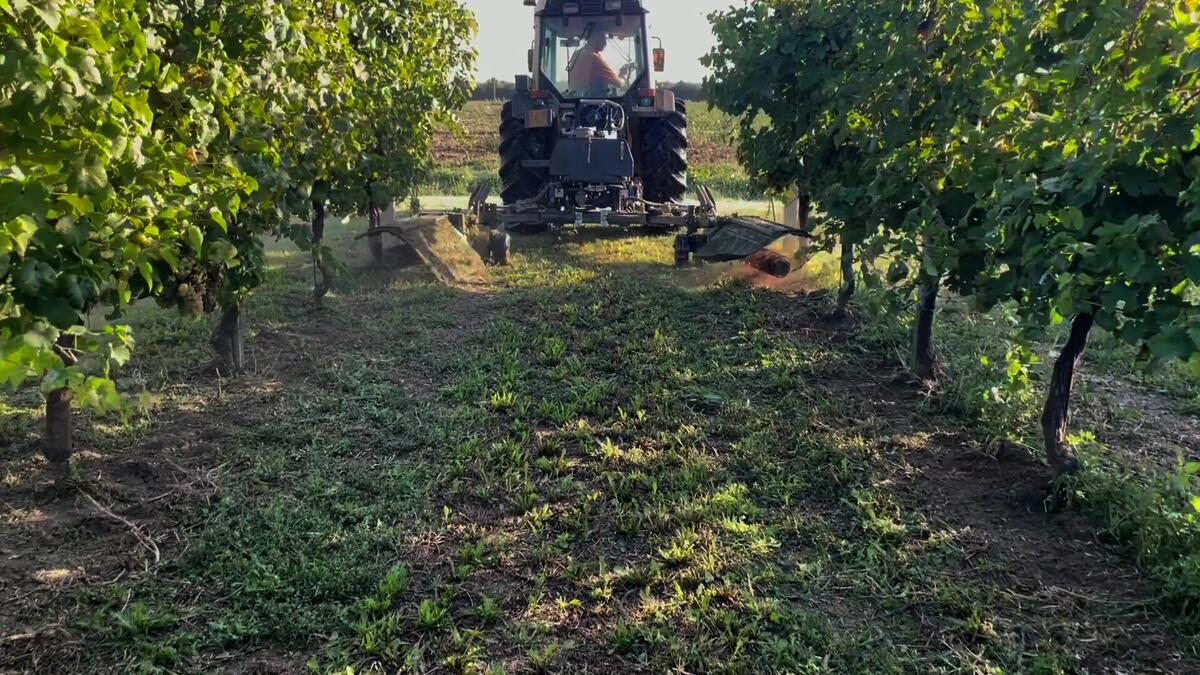
CaBa Industrie presents its Lotti-branded BIO mechanical weeder at EIMA International. The new equipment is available in four models and has been specifically designed for weed control in vineyards and orchards.
The models – two singles (110.2 and 110.4) and two doubles (BIO 120.4 and 120.8) – differ in the number of hydraulic movements that the operator can control, separately for each side of the machine using the joysticks installed in the tractor cab. With the BIO 110.4 and BIO 120.8 versions it is possible to adjust the horizontal extensions, the parallelogram extensions, the spring preload and the rotor inclination. In the other configurations, however, the hydraulic adjustment only affects the inclination of the rotors and the extension of the parallelograms. The models equipped with two working units have been designed to operate on rows with center distances from 1.50 to 3.50 meters.
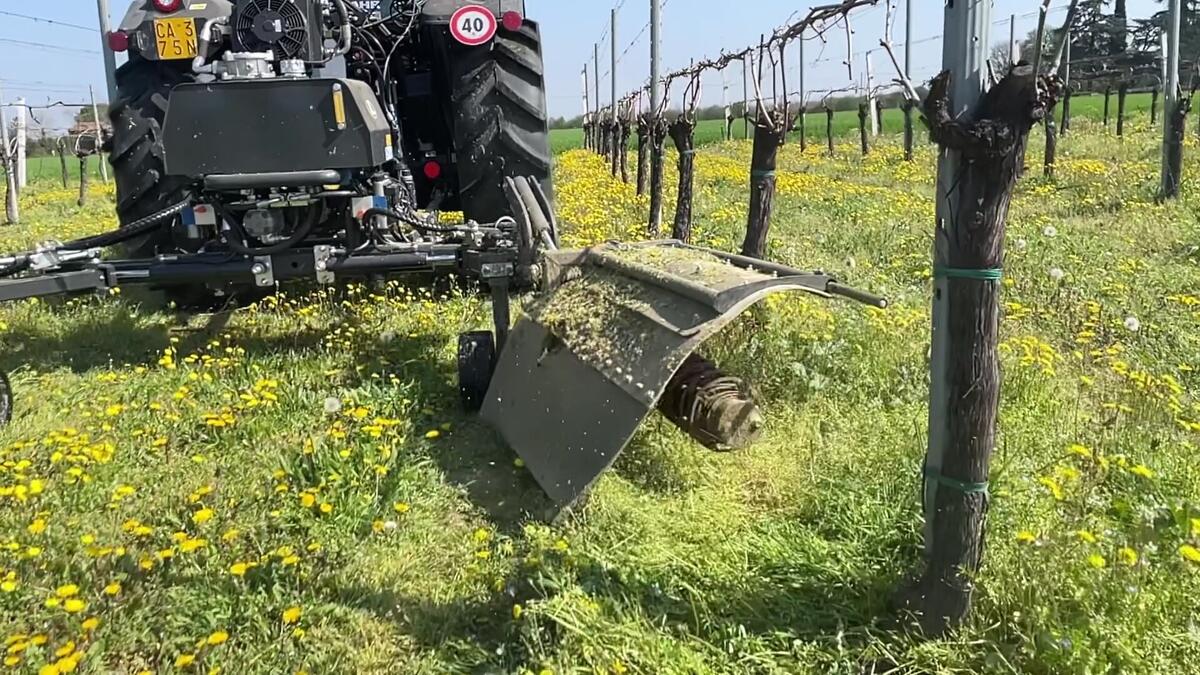
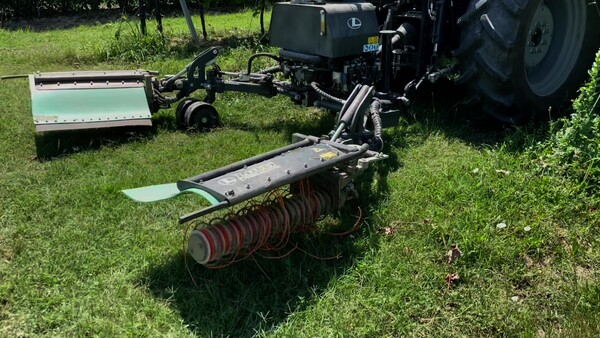
All the weeders are equipped with one or two long-line cutters, which make it possible to cut a larger grassy area. compared to previous models of weeder from the Lotti range. The cutting device is equipped with a tension spring that allows it to get close to the fruit plants without damaging them. This solution also allows the operator to proceed at a working speed of approximately 4 km/h. The weed control wires have a diameter of 4 millimeters and are divided into ten sections of 10 meters each. To restore the ideal working length of between 60 cm and 80 cm, simply unlock the spool of each section and extract the desired amount of thread.
All versions of the BIO weeder come equipped with an independent hydraulic power unit, which powers both the machine's movements and the cutter motors. An autonomous hydraulic circuit means that the equipment does not burden the tractor's system and can work continuously even in the hottest periods, reducing the risk of overheating.